Thai Coconut Curry Soup
Thai Coconut Curry Soup is a delightful and aromatic dish that brings the essence of Thai cuisine right to your table. The creamy coconut milk combined with fragrant spices creates a perfect harmony of flavors. This soup is not only comforting but also packed with nutritious ingredients. Whether you're hosting a dinner party or enjoying a cozy night in, this recipe is sure to impress your guests.

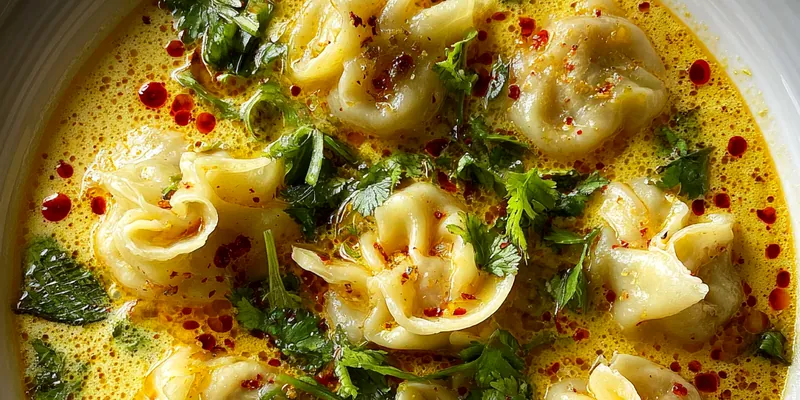
Why This Thai Coconut Curry Soup Recipe Works
This Thai Coconut Curry Soup stands out because of its balance of flavors and textures. The creaminess of coconut milk perfectly complements the spices in the curry paste, creating a dish that is both comforting and invigorating. Fresh vegetables add a crunch, while tender chicken provides protein, making this soup a satisfying meal.
The technique of sautéing the aromatics at the beginning enhances the flavor profile, ensuring that each ingredient shines. Simmering the soup allows the flavors to meld together beautifully, resulting in a harmonious dish that is easy to prepare yet delivers impressive results.
💡 Professional Tip
For the best flavor, use high-quality coconut milk and fresh ingredients. Don't skip the lime juice; it adds a bright acidity that balances the richness of the soup. If you prefer a spicier dish, feel free to add more red curry paste or fresh chilies.
Frequently Asked Questions
Yes, you can prepare the soup ahead of time. Allow it to cool completely, and then store it in an airtight container in the fridge for up to 3 days. Reheat gently on the stovetop before serving. The flavors will deepen as it sits, making it even more delicious.
If you prefer a vegetarian option, you can substitute the chicken with tofu or chickpeas. Both options provide great texture and protein while allowing the flavors of the soup to shine. Just ensure that you adjust the cooking time according to the substitute you choose.
The soup is done when the chicken is fully cooked and the vegetables are tender but still vibrant in color. The soup should have a pleasant aroma, and the flavors should be well combined. Taste and adjust the seasoning as needed.
Yes, Thai Coconut Curry Soup can be frozen for up to 3 months. Allow the soup to cool completely before transferring it to a freezer-safe container. When ready to eat, thaw overnight in the refrigerator and reheat on the stovetop.
This soup pairs beautifully with jasmine rice or rice noodles. You can also serve it with fresh herbs, lime wedges, and a side of spring rolls for a complete Thai meal experience. Don’t forget the crusty bread to soak up the delicious broth!
Thai Coconut Curry Soup lasts for about 3 to 4 days in the refrigerator when stored in an airtight container. Be sure to let it cool down before refrigerating to maintain its freshness. Always reheat thoroughly before serving.
Absolutely! Making the soup in advance allows the flavors to meld together beautifully. Just store it in the fridge after cooling, and reheat it on the stovetop before serving. This is an excellent option for meal prep or entertaining.
The best way to reheat the soup is on the stovetop over low heat. Stir occasionally to ensure even heating. If the soup is too thick after refrigerating, add a splash of chicken broth or water to reach your desired consistency.
Recipe Troubleshooting Guide
Too Dry
Problem: If the soup appears too dry or thick, it may not have enough liquid.
Solution: Add a little more chicken broth or coconut milk to achieve the desired consistency. Stir well and let it simmer for a few minutes.
Not Crispy Enough
Problem: Vegetables may become soggy if not cooked properly.
Solution: Ensure you add the vegetables at the right time, allowing them to cook until just tender while retaining some crunch. Consider sautéing them separately for a few minutes before adding them to the soup.
Overcooked
Problem: If the chicken is dry and the vegetables are mushy, they may have been overcooked.
Prevention: To prevent overcooking, keep an eye on cooking times and test for doneness. Always add vegetables later in the cooking process for optimal texture.
Undercooked Center
Problem: Inadequate cooking time may leave chicken undercooked.
Recovery: If you find the chicken is undercooked, return the soup to the heat, cover, and simmer until the chicken is cooked through. Always ensure chicken is cooked to an internal temperature of 165°F.
Burnt Exterior
Problem: A burnt flavor can occur if ingredients are heated too high.
Prevention: To avoid burning, cook on low to medium heat and stir frequently, especially when sautéing aromatics.
Flavor Balance
Too Sweet: If the soup is too sweet, add more lime juice or a splash of vinegar to balance it out.
Too Salty: For overly salty soup, add more coconut milk or unsalted broth to dilute the saltiness.
Bland: If the soup lacks flavor, consider adding more curry paste, fish sauce, or fresh herbs to enhance the taste.
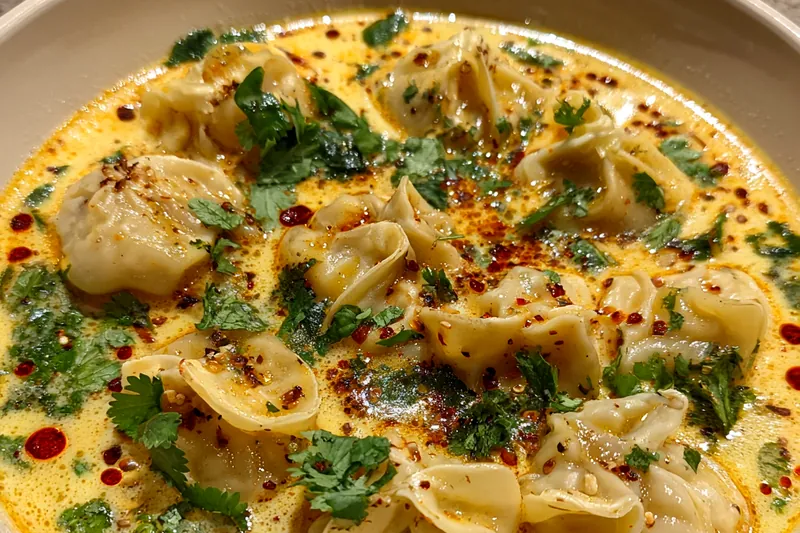
Essential Ingredients for Thai Coconut Curry Soup
Key ingredients for this soup include chicken, coconut milk, and red curry paste. The chicken provides protein while the coconut milk adds creaminess and richness. Red curry paste, made from a blend of spices, infuses the dish with authentic Thai flavors that are both aromatic and savory.
Quality ingredients are crucial for the best results. Opt for full-fat coconut milk for a creamier texture and fresher veggies for vibrant flavors. Using fresh herbs like cilantro enhances the presentation and aroma of the dish.
Essential Ingredient Notes
- Coconut Milk: Choose high-quality, full-fat coconut milk for a rich and creamy texture. This will give the soup its luxurious mouthfeel and balance the spices beautifully.
- Red Curry Paste: Look for authentic red curry paste made with fresh ingredients. The quality of the paste directly influences the flavor of the soup, so don't hesitate to try different brands to find your favorite.
- Fresh Vegetables: Use a variety of colorful, fresh vegetables like bell peppers and broccoli. Not only do they add nutrition, but they also enhance the visual appeal of the soup.
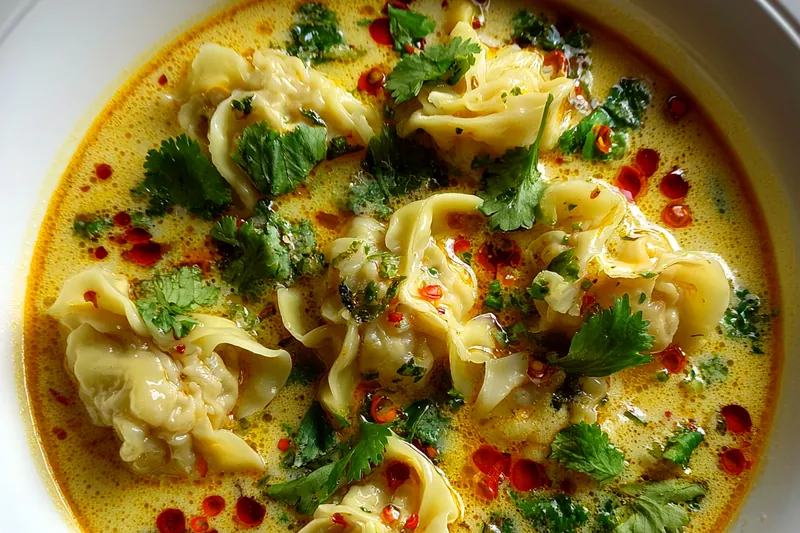
Step-by-Step Cooking Process
Making Thai Coconut Curry Soup is a straightforward process that involves sautéing aromatics, cooking the chicken, and simmering everything together. The key is to layer the flavors by adding ingredients in the right order, starting from the aromatics to the proteins and then the vegetables.
To achieve perfect results, monitor the cooking times closely. The goal is to have tender chicken and vegetables that still hold their shape and color. Taste and adjust the seasonings as you go to ensure a well-balanced flavor.
Key Technique for Perfect Thai Coconut Curry Soup
The most important technique in this recipe is layering flavors by starting with aromatics. Sautéing garlic and ginger releases their essential oils and enhances the overall depth of the soup. This foundational step sets the stage for a complex and satisfying meal.
Thai Coconut Curry Soup
📋 Ingredients
Main Ingredients
- 1 cup fish sauceFor added umami flavor
- 1 tablespoon lime juiceFreshly squeezed
- 1 tablespoon soy sauceOptional for extra flavor
- 1 tablespoon palm sugarTo balance flavors
- 1 teaspoon ground corianderFor depth
- 1 teaspoon turmericFor color and flavor
For the Sauce
- 2 lbs chickenCut into pieces
- 2 cups coconut milkFor creaminess
- 1 cup chicken brothFor base flavor
- 1 tablespoon red curry pasteFor spice
- 1 tablespoon fish sauceFor umami
- 1 tablespoon lime juiceFor brightness
- 1 cup bell peppersSliced
- 1 cup mushroomsSliced
- 1 cup broccoli floretsFor crunch
- 2 cloves garlicMinced
- 1 tablespoon gingerGrated
- 2 tablespoons fresh cilantroChopped
- 1 tablespoon vegetable oilFor cooking
Instructions
Prepare Ingredients
Gather all ingredients and chop the vegetables and chicken into bite-sized pieces.
Sauté Aromatics
In a large pot, heat vegetable oil over medium heat. Add garlic and ginger, sauté until fragrant.
Cook Chicken
Add the chicken pieces to the pot and cook until browned and cooked through.
Add Curry Paste
Stir in the red curry paste and cook for an additional minute.
Add Broth and Coconut Milk
Pour in chicken broth and coconut milk, stirring to combine. Bring to a simmer.
Add Vegetables
Add bell peppers, mushrooms, and broccoli to the pot. Simmer for 10-15 minutes until vegetables are tender.
Season the Soup
Add fish sauce, lime juice, and salt to taste. Stir well.
Serve
Ladle the soup into bowls and garnish with fresh cilantro. Serve hot over rice or noodles.
Recipe Notes & Tips
Storage Tips
To store the soup, let it cool completely before transferring it to an airtight container. It can be kept in the refrigerator for up to 4 days. For longer storage, consider freezing portions of the soup. Make sure to leave some space in the container as the soup may expand when frozen.
Serving Suggestions
Thai Coconut Curry Soup is best served hot, garnished with fresh cilantro and lime wedges. Pair it with jasmine rice or rice noodles to soak up the delicious broth. A side of spring rolls or a Thai salad can elevate the meal further.
Recipe Variations
Feel free to customize this soup by adding different proteins like shrimp or tofu for a vegetarian option. You can also swap out the vegetables for seasonal choices like spinach or zucchini. For a spicier kick, add fresh chilies or more curry paste.