Delicious Soft Molasses Cookies
Discover the delightful world of molasses cookies with this easy and delicious recipe. Soft, chewy, and bursting with warm spices, these cookies are perfect for sharing during the holidays or any cozy gathering. The rich flavor of molasses combined with spices will create a comforting treat that everyone will love. Enjoy them fresh out of the oven or with a glass of milk for a classic experience.


Why This Delicious Soft Molasses Cookies Recipe Works
This recipe for Delicious Soft Molasses Cookies is special because it balances rich molasses with warm spices. The technique of chilling the dough ensures that the cookies hold their shape while baking, resulting in the perfect texture. Using brown sugar adds moisture, making each cookie tender and soft.
The flavor profile combines the sweetness of molasses with the warmth of cinnamon, ginger, and cloves. This depth of flavor is what makes these cookies uniquely delicious, while the baking method produces a delightful chewiness that pairs wonderfully with a glass of milk.
💡 Professional Tip
For the perfect molasses cookies, ensure your butter is softened but not melted. Additionally, chilling the dough helps maintain the shape and enhances the flavor as the spices meld together.
Frequently Asked Questions
Absolutely! You can prepare the dough ahead of time and refrigerate it for up to 3 days. Just make sure to roll the cookies in sugar before baking. You can also freeze the rolled dough balls and bake them directly from the freezer when needed.
If you don't have molasses, you can substitute it with dark corn syrup or honey, though the flavor will be slightly different. For a similar taste, try using a combination of brown sugar and a little bit of water to mimic the consistency of molasses.
The best method is baking them in a preheated oven at 350°F (175°C). This temperature allows the cookies to bake evenly while achieving that perfect soft and chewy texture without overbaking.
To prevent dryness, avoid overbaking the cookies. They should be just set around the edges and slightly soft in the center when you take them out. Also, ensure your measurements of flour and sugar are accurate, as too much flour can lead to dryness.
These cookies are done when they have slightly puffed up and the edges appear set, while the center remains soft. They will continue to cook slightly as they cool on the baking sheet.
Enjoy these cookies with a glass of cold milk, or pair them with a warm cup of tea or coffee. They also make a great addition to holiday cookie platters or as gifts during the festive season.
Yes, you can use a gluten-free all-purpose flour blend as a substitute for regular flour. Be sure to check that the other ingredients are also gluten-free to maintain the integrity of the recipe.
Store the cookies in an airtight container at room temperature for up to a week. For longer storage, you can freeze them for up to three months. Just thaw them at room temperature before serving.
Recipe Troubleshooting Guide
Cookies Spread Too Much
Problem: If your cookies spread too much during baking, it could be due to warm dough.
Solution: Make sure your dough is chilled before baking. If they still spread too much, consider adding a bit more flour to the dough next time.
Cookies Are Too Hard
Problem: If the cookies come out too hard, it may be due to overbaking.
Solution: Check the baking time and remove them from the oven as soon as they appear set but still soft in the middle. Consider reducing the baking time slightly next time.
Lack of Flavor
Problem: Sometimes cookies can be bland if the spices are not fresh or not enough.
Prevention: Ensure your spices are fresh for maximum flavor. You can also increase the amount of spices to enhance the taste in your cookies.
Cookies Are Too Sweet
Problem: If the cookies taste overly sweet, it might be due to excess sugar.
Recovery: Next time, reduce the amount of sugar slightly to balance the sweetness. Pairing with a slightly tart dip or side can also help balance flavors.
Uneven Baking
Problem: Cookies may bake unevenly if placed too close together on the baking sheet.
Prevention: Ensure to space your cookies at least 2 inches apart on the baking sheet to allow for even baking and proper air circulation.
Flavor Balance Issues
Too Sweet: If the cookies are too sweet, reduce the amount of brown sugar next time or balance with a touch of salt.
Too Salty: If the cookies taste too salty, consider reducing the salt in the recipe or using unsalted butter.
Bland: If the cookies taste bland, increase the spices or add a pinch of nutmeg for extra warmth.

Choosing the Best Ingredients for Delicious Soft Molasses Cookies
Selecting high-quality ingredients is crucial in baking. Opt for fresh, organic molasses and spices to enhance the flavor of your cookies. Using real butter instead of margarine will also contribute to a richer taste and softer texture.
Carefully measure your ingredients for accurate results. Sift the flour to avoid lumps and ensure thorough mixing. This attention to detail will elevate your cookies from good to unforgettable.
Essential Ingredient Notes
- Molasses: Molasses is the star ingredient that gives these cookies their distinct flavor and color. Choose unsulfured molasses for a cleaner taste and vibrant sweetness.
- Spices: Freshly ground spices provide the best flavor. Ensure your ginger, cinnamon, and cloves are stored properly to retain their potency and aroma for optimal flavor in your cookies.
- Butter: Using unsalted butter allows you to control the salt content in your cookies. It also creates a tender crumb and rich flavor that is essential for soft molasses cookies.
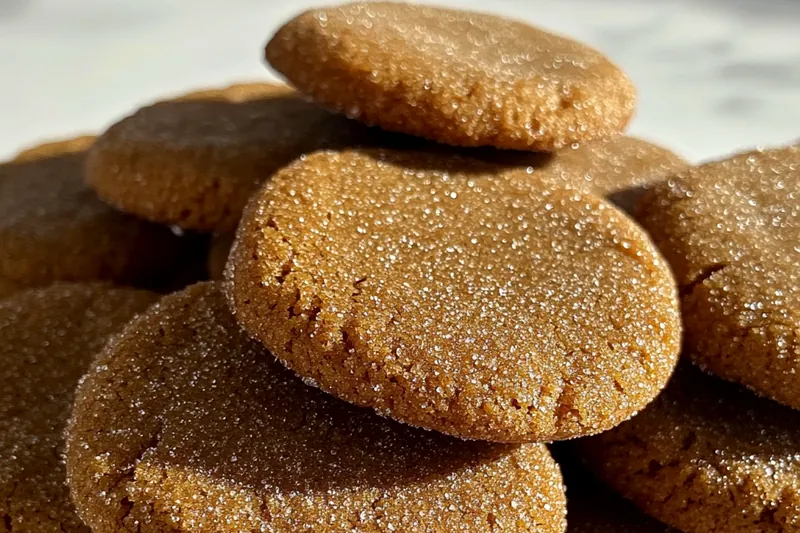
Mastering the Cooking Technique
The key to mastering molasses cookies is in the mixing and baking technique. Creaming butter and sugar thoroughly incorporates air, making the cookies light and fluffy. Chilling the dough is essential to help maintain their shape and enhance flavor.
Pay close attention to your baking time; these cookies should come out soft in the center and slightly golden around the edges. This ensures each bite will be perfectly chewy, making them a delightful treat.
The Secret to Perfect Delicious Soft Molasses Cookies
The secret lies in the balance of spices and proper baking time. Ensuring you do not overbake will yield that soft, chewy texture that defines these molasses cookies.
Delicious Soft Molasses Cookies
📋 Ingredients
Sauce
- 1 cup unsalted butter, softenedEssential for the cookie's texture and flavor
- 1 cup brown sugar, packedAdds sweetness and richness
- 1/2 cup molassesProvides distinct flavor and color
- 1 large eggMoisture and binding agent
- 1 teaspoon vanilla extractEnhances overall flavor
Main
- 3 cups all-purpose flourForms the base of the cookies
- 1 teaspoon baking sodaLeavening agent for fluffiness
- 1 teaspoon ground gingerWarm spice flavor
- 1 teaspoon ground cinnamonAdds warmth and sweetness
- 1/2 teaspoon ground clovesIntensifies the spice profile
- 1/2 teaspoon saltBalances sweetness
- 1/4 cup granulated sugar (for rolling)For rolling the cookie dough balls
Instructions
Cream the Butter and Sugar
In a large bowl, beat together the softened butter and brown sugar until creamy and smooth.
Add Molasses and Egg
Mix in the molasses and the egg, beating until well combined.
Combine Dry Ingredients
In a separate bowl, whisk together the flour, baking soda, ginger, cinnamon, cloves, and salt.
Blend Dry Ingredients with Wet
Gradually add the dry ingredients to the butter mixture, mixing until just combined.
Chill the Dough
Cover the dough with plastic wrap and refrigerate for at least 30 minutes.
Preheat the Oven
Preheat your oven to 350°F (175°C) and line baking sheets with parchment paper.
Roll the Cookies
Scoop tablespoons of dough and roll them into balls; then roll each ball in granulated sugar.
Bake the Cookies
Place the sugar-coated balls on the baking sheets, spacing them 2 inches apart, and bake for 10-12 minutes.
Cool and Enjoy
Remove from the oven, let cool on the sheets for a few minutes, then transfer to wire racks to cool completely.
Recipe Notes & Tips
{{note_1_title}}
{{note_1_content}}
{{note_2_title}}
{{note_2_content}}
{{note_3_title}}
{{note_3_content}}