Slow Cooker Thai Peanut Chicken
Slow Cooker Thai Peanut Chicken is a creamy, flavorful dish that brings the vibrant flavors of Thai cuisine to your dinner table. With its rich peanut sauce and tender chicken, it's perfect for busy weeknights or gatherings. This recipe is not only simple to make but also allows the flavors to meld beautifully as it cooks. Everyone will love the satisfying taste and wonderful aroma that fills your kitchen!

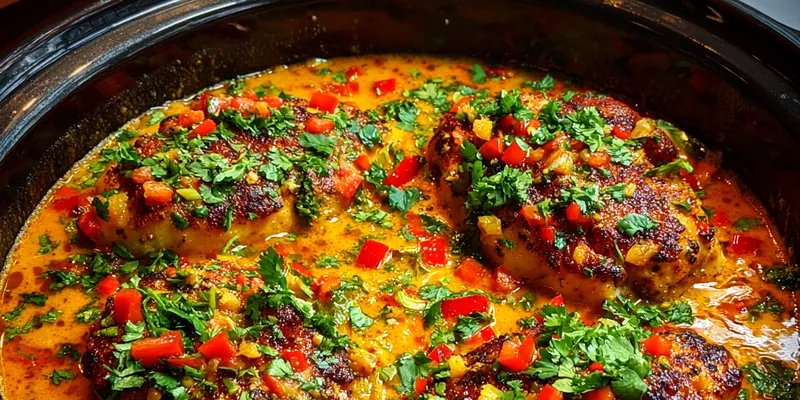
Why This Slow Cooker Thai Peanut Chicken Recipe Works
This recipe harnesses the convenience of a slow cooker, allowing the chicken to soak up the rich flavors of the peanut sauce over time. The combination of coconut milk and peanut butter creates a creamy, comforting base that’s simply irresistible. Additionally, using fresh ginger and garlic ensures a punch of flavor that elevates the dish. It’s a straightforward recipe that yields impressive results with minimal effort.
The flavor profile is a delightful balance of sweet, savory, and spicy, making it a hit for both adults and kids alike. The slow cooking method ensures the chicken remains tender and juicy while the sauce thickens beautifully. This versatile dish can be served with rice or noodles, allowing for a hearty and satisfying meal any night of the week.
💡 Professional Tip
For the best results, use natural peanut butter that has no added sugar or oils. This will ensure that the sauce is rich and creamy without any unwanted additives. Also, feel free to adjust the level of red curry paste to suit your spice preference.
Frequently Asked Questions
Absolutely! You can prepare the entire recipe a day in advance. Just store the uncooked ingredients in the slow cooker insert in the refrigerator overnight. In the morning, simply place the insert back in the slow cooker and cook as directed.
You can substitute chicken thighs for a richer flavor and more tenderness. Alternatively, for a vegetarian option, use cubed tofu or chickpeas for a protein-packed dish that adapts well to the peanut sauce.
The slow cooker is ideal because it allows the chicken to cook gently, absorbing all the flavors of the sauce. You can also cook this recipe on the stovetop in a skillet, but it will require more attention to prevent burning and ensure even cooking.
To prevent dry chicken, make sure to cook it on low heat for the recommended time and avoid overcooking. Monitoring the cooking time closely ensures the chicken remains moist and tender.
The chicken is done when it reaches an internal temperature of 165°F and is tender enough to shred easily with a fork. Additionally, the sauce should be thickened and flavorful.
Serve this dish over jasmine rice or rice noodles for a complete meal. It also pairs wonderfully with steamed vegetables for added nutrition.
Yes! To add more heat, increase the amount of red curry paste or include sliced fresh chili peppers in the sauce. You can also serve it with a side of chili sauce for those who prefer extra spice.
Store any leftovers in an airtight container in the refrigerator for up to 4 days. To reheat, warm it gently on the stove or in the microwave until heated through.
Recipe Troubleshooting Guide
Chicken is Tough
Problem: If the chicken turns out tough, it may have been overcooked.
Solution: Always cook on low heat for the appropriate time and check the chicken for doneness early to prevent overcooking.
Sauce is Too Thin
Problem: If the sauce is thin, it may need more cooking time or a thickening agent.
Solution: You can thicken the sauce by stirring in a tablespoon of cornstarch mixed with a little water and cooking for an additional 30 minutes.
Flavor is Bland
Problem: If the flavor isn't strong enough, the seasoning might be lacking.
Prevention: Add additional soy sauce, lime juice, or even a pinch of salt to boost the flavor before serving.
Sauce is Too Salty
Problem: The sauce may have turned out too salty if too much soy sauce was added.
Recovery: Balance the saltiness by adding a bit more peanut butter or a splash of coconut milk to mellow the flavors.
Too Much Spice
Problem: If the dish is too spicy, it can be overwhelming.
Prevention: To tone down the spice, add a little more coconut milk or serve with a side of yogurt to balance the heat.
Flavor Balance Issues
Too Sweet: If the dish is too sweet, add a splash of lime juice or a bit of vinegar to balance the flavors.
Too Salty: If it’s too salty, increase the volume by adding extra coconut milk or peanut butter.
Bland: If the flavor is bland, try adding more garlic, ginger, or soy sauce to enhance the taste.
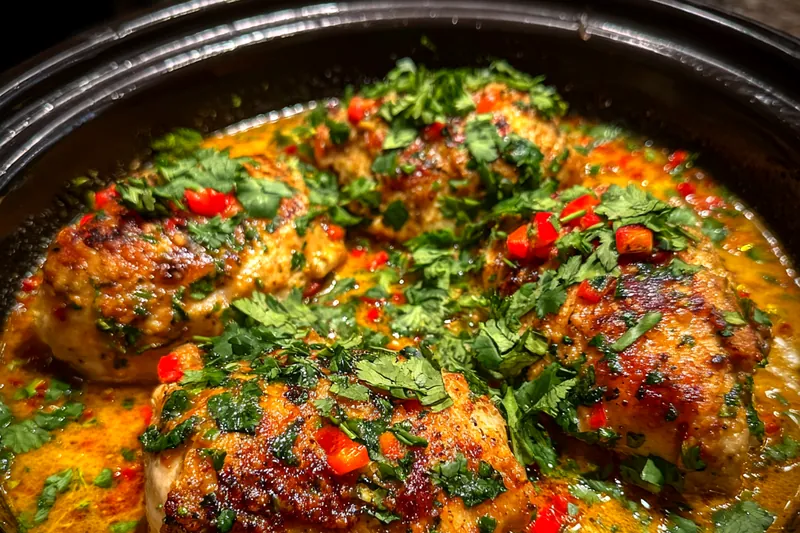
Choosing the Best Ingredients for Slow Cooker Thai Peanut Chicken
Selecting top-quality ingredients is essential for achieving the best flavor in your Slow Cooker Thai Peanut Chicken. Fresh chicken breast should be firm and pink, while natural peanut butter without added sugars gives the sauce a rich texture. Look for full-fat coconut milk for creaminess, and fresh herbs to enhance the dish’s aroma.
When preparing your ingredients, remember to chop your garlic and ginger finely to release their essential oils. Measure out the sauce components accurately to ensure balance in flavor. Additionally, make sure to have your slow cooker ready and clean to avoid any cross-contamination.
Essential Ingredient Notes
- Peanut Butter: Using natural peanut butter is crucial as it provides a rich, creamy texture without added sugars or oils. This allows the sauce to remain smooth and flavorful, enhancing the overall dish.
- Coconut Milk: Full-fat coconut milk adds a velvety richness to the sauce, making it more decadent. Always shake the can before opening to mix the cream and liquid for an even consistency.
- Fresh Garlic and Ginger: Fresh garlic and ginger are key flavor components in this dish. They provide aromatic depth that elevates the peanut sauce and adds a delightful kick to the chicken.
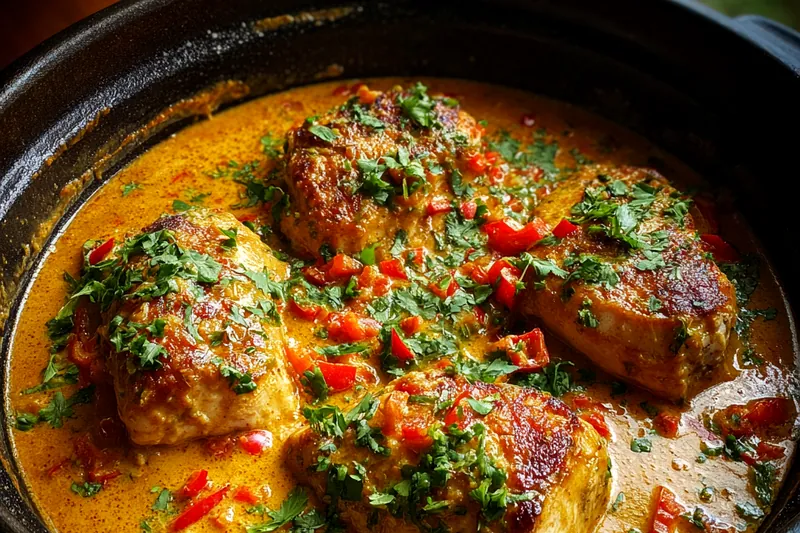
Mastering the Cooking Technique
Mastering the slow cooking technique is essential for achieving tender, flavorful chicken in this recipe. The key is to cook on low heat, allowing the flavors to meld and the chicken to absorb the sauce over time. Avoid the temptation to lift the lid during cooking, as this releases steam and prolongs the cooking process.
Timing is crucial; ensure that you follow the cooking duration closely for the best results. Pay attention to the consistency of the sauce, which should thicken as it cooks. Use a meat thermometer to check for doneness in the chicken to ensure it is perfectly cooked every time.
The Secret to Perfect Slow Cooker Thai Peanut Chicken
The secret lies in balancing the flavors of the sauce with the right amount of heat and sweetness. Allowing the chicken to cook low and slow not only makes it tender but also ensures that every bite is full of rich flavors.
Slow Cooker Thai Peanut Chicken
📋 Ingredients
{{ingredient_category_1}}
-
{{sauce_ingredients}}
{{ingredient_category_2}}
-
{{main_ingredients}}
Instructions
-
{{instructions_list}}
Recipe Notes & Tips
{{note_1_title}}
{{note_1_content}}
{{note_2_title}}
{{note_2_content}}
{{note_3_title}}
{{note_3_content}}