Savory Shrimp Vegetable Stir-Fry
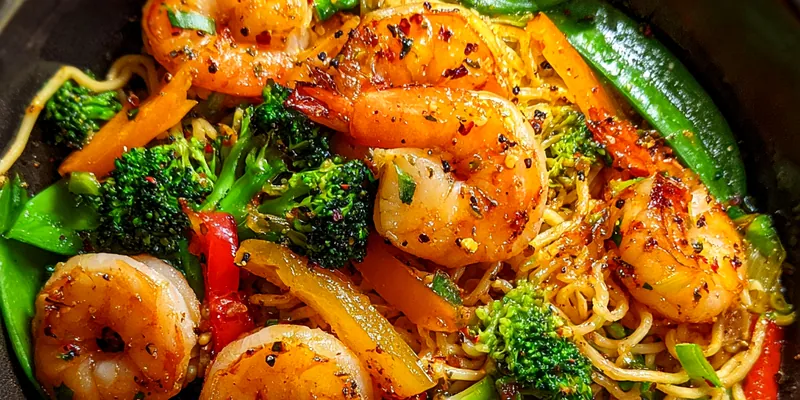
Savory Shrimp Vegetable Stir-Fry is a delightful, colorful dish that brings together the freshness of vegetables and the succulence of shrimp. This quick stir-fry is perfect for busy weeknights, offering a nutritious meal in no time. With a medley of flavors and textures, it's a family favorite that even the pickiest eaters will love. Let's dive into this easy recipe that promises a satisfying dinner experience.

Why This Savory Shrimp Vegetable Stir-Fry Recipe Works
This recipe stands out because it combines vibrant vegetables with tender shrimp, all cooked quickly to preserve their freshness and flavor. The balance of the savory sauce adds depth, while the quick cooking method ensures a nutritious meal that retains the crunch of the vegetables. It's not just a stir-fry; it's a celebration of Asian flavors in every bite.
The technique of stir-frying at high heat allows the ingredients to cook quickly, which helps avoid overcooking and maintains color and nutrition. This recipe teaches you how to manage heat and timing, ensuring that shrimp remains juicy and vegetables stay crisp. With just a few simple steps, anyone can master this dish.
💡 Professional Tip
For best results, make sure your pan is hot before adding ingredients. This helps achieve that perfect, slightly charred flavor that defines a great stir-fry. Work in batches if necessary to avoid overcrowding the pan, which can cause steaming instead of frying.
Frequently Asked Questions
Yes, you can prepare the ingredients ahead of time and store them separately in the fridge. However, it’s best to cook the stir-fry fresh to maintain the texture of the shrimp and vegetables. If necessary, you can store the cooked stir-fry for up to 2 days in an airtight container in the refrigerator.
If you want to substitute shrimp, consider using chicken or tofu for a different protein option. Both can be seasoned similarly and will absorb the flavors of the sauce well. Make sure to adjust the cooking time accordingly; chicken will take longer to cook than shrimp, while tofu may need less time to heat through.
The stir-fry is done when the shrimp turn pink and opaque, and the vegetables are tender but still crisp. The cooking process should take about 7-10 minutes. Keep an eye on the color and texture; overcooking can lead to rubbery shrimp and mushy vegetables.
Yes, you can freeze Savory Shrimp Vegetable Stir-Fry, but it's best to do so without the rice. Allow it to cool completely before transferring it to an airtight container. It will last in the freezer for about 2 months. When ready to eat, thaw in the refrigerator overnight and reheat in a pan over medium heat.
This stir-fry pairs beautifully with steamed rice, but you can also serve it with noodles or quinoa for a change. Adding a side of egg rolls or spring rolls can complement the meal nicely. For a fresh touch, consider serving with a cucumber salad or pickled vegetables.
Savory Shrimp Vegetable Stir-Fry can last in the fridge for up to 2 days when stored in an airtight container. To keep it fresh, make sure it is cooled completely before refrigerating. Reheat it gently on the stove or microwave to enjoy it again.
While it's best enjoyed fresh, you can prep the ingredients in advance to save time. Chop the vegetables and marinate the shrimp the day before. When you're ready to cook, simply stir-fry everything together for a quick meal.
The best way to reheat Savory Shrimp Vegetable Stir-Fry is on the stove in a skillet over medium heat. This helps retain the texture of the shrimp and vegetables. Add a splash of water or broth to prevent sticking and cover with a lid to steam it slightly while reheating.
Recipe Troubleshooting Guide
Too Dry
Problem: The stir-fry may end up dry if cooked too long or without enough sauce.
Solution: To fix this, add a little more sauce while cooking or a splash of water to create steam and moisture. If it's already cooked, consider adding a drizzle of soy sauce or sesame oil when serving.
Not Crispy Enough
Problem: Vegetables can become limp if overcooked.
Solution: To achieve crispy vegetables, cook them at high heat for a shorter time. Stir-fry in batches if necessary and don’t overcrowd the pan. Use fresh, crisp vegetables for the best texture.
Overcooked
Problem: Shrimp or vegetables can become overcooked and rubbery.
Prevention: To prevent this, keep an eye on cooking time and temperature. Cook shrimp until just pink and tender; vegetables should be tender-crisp. If you find them overcooked, add a splash of cold water and stir to cool them down quickly.
Undercooked Center
Problem: Sometimes shrimp or thicker vegetables may be undercooked in the center.
Recovery: If you encounter this, cover the pan for a minute to steam the contents. This helps cook through the center without overcooking the exterior.
Burnt Exterior
Problem: Ingredients can burn if the heat is too high or if they are left in the pan too long.
Prevention: To avoid burning, reduce heat slightly and stir constantly. Pre-cook any ingredients that take longer, like carrots, before adding them to the stir-fry.
Flavor Balance
Too Sweet: If your stir-fry is too sweet, add a splash of soy sauce or vinegar to balance the flavors.
Too Salty: If it’s too salty, add a splash of water or unsalted broth to dilute the saltiness.
Bland: For bland flavors, increase the seasoning with more soy sauce, garlic, or ginger. Fresh herbs like cilantro can also elevate the dish.
Essential Ingredients for Savory Shrimp Vegetable Stir-Fry
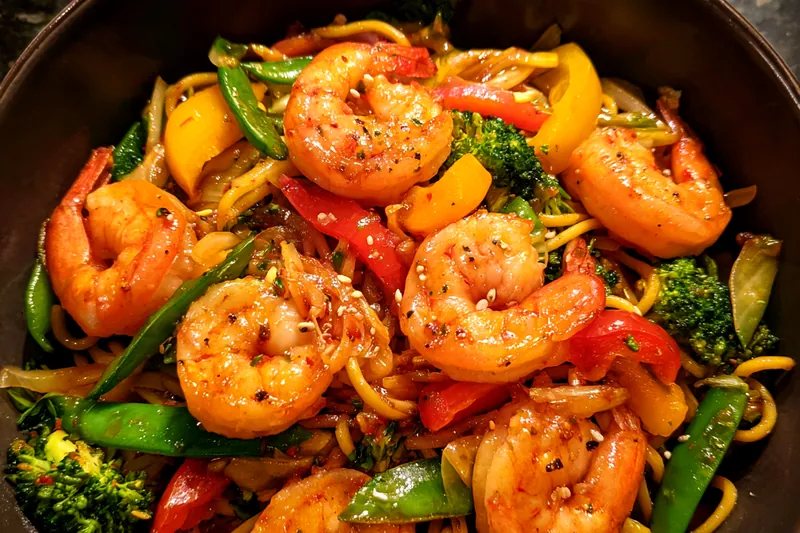
Key ingredients for this stir-fry include succulent shrimp and a variety of vibrant vegetables. Each ingredient plays a vital role in creating a balanced meal that's both healthy and delicious. Freshness is key; using seasonal vegetables enhances the flavor and nutritional value of the dish.
When selecting ingredients, choose shrimp that is firm and has a fresh aroma. For vegetables, opt for colorful varieties with a crisp texture, as these will not only taste better but also add visual appeal to your stir-fry.
Essential Ingredient Notes
- Shrimp: Look for shrimp that is locally sourced and sustainably farmed for the best quality. Fresh shrimp should smell like the ocean—not fishy. If using frozen shrimp, ensure it is properly thawed before cooking for the best texture.
- Broccoli: Choose broccoli with deep green color and firm stalks. Brightly colored and tightly closed florets indicate freshness. Avoid any yellowing or wilting, as this can affect the dish's flavor and crispness.
- Bell Peppers: Select bell peppers that are heavy for their size with smooth, shiny skin. The color should be vibrant, indicating freshness and flavor. Store them in a cool, dry place to maintain their crispness.
Step-by-Step Cooking Process
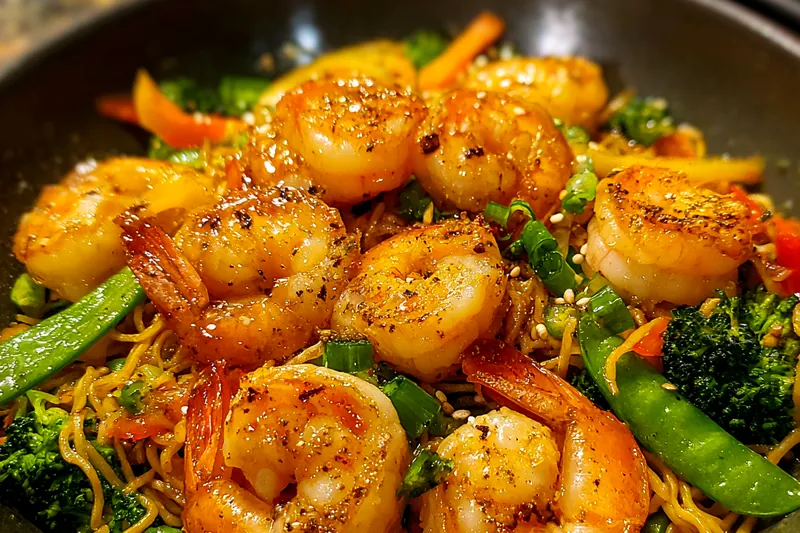
The cooking process for Savory Shrimp Vegetable Stir-Fry is straightforward and quick. Start by preparing all your ingredients, as stir-frying is a fast-paced technique that requires everything to be ready. Having your shrimp and vegetables prepped will streamline the cooking process.
Achieving perfect results involves high heat and constant motion. Stir-fry the shrimp until just cooked, then remove and set aside. Next, stir-fry the vegetables quickly to retain their crunch. Combining the shrimp and veggies at the end allows for a harmonious blend of flavors.
Key Technique for Perfect Savory Shrimp Vegetable Stir-Fry
The key technique for a successful stir-fry is to maintain high heat throughout the cooking process. This ensures that the shrimp cook quickly without becoming rubbery, and the vegetables remain crisp and vibrant. Stirring constantly allows for even cooking and prevents burning.
Savory Shrimp Vegetable Stir-Fry
📋 Ingredients
Main Ingredients
- 3 tablespoons soy sauceLow sodium recommended
- 2 tablespoons oyster sauceOptional for depth of flavor
- 1 tablespoon sesame oilFor added nutty flavor
- 1 teaspoon cornstarchTo thicken the sauce
- 1 tablespoon waterFor cornstarch mixture
For the Sauce
- 1 lb large shrimp, peeled and deveinedFresh or thawed
- 2 cups broccoli floretsCut into bite-sized pieces
- 1 cup bell peppers, slicedAny color
- 1 cup snap peasFresh or frozen
- 1 cup carrots, juliennedFor color and crunch
- 4 cloves garlic, mincedFor aromatics
- 1 inch ginger, gratedFresh ginger adds warmth
- Salt and pepper to tasteFor seasoning
Instructions
Prepare the Shrimp
In a bowl, combine shrimp with salt, pepper, and cornstarch. Set aside for 10 minutes.
Heat the Oils
In a large skillet or wok, heat vegetable oil and sesame oil over medium-high heat.
Cook the Shrimp
Add the shrimp to the pan and cook for about 2-3 minutes until pink and opaque. Remove and set aside.
Stir-Fry the Vegetables
In the same pan, add garlic and ginger, stir-frying for 30 seconds until fragrant. Add broccoli, bell peppers, snap peas, and carrots. Cook for 5-7 minutes until tender-crisp.
Combine Ingredients
Return the shrimp to the pan and add soy sauce and oyster sauce. Stir well to coat.
Thicken the Sauce
Mix cornstarch and water in a small bowl; add to the pan. Stir until sauce thickens.
Serve
Serve hot over cooked rice and enjoy your meal.
Recipe Notes & Tips
Storage Tips
To store Savory Shrimp Vegetable Stir-Fry, let it cool completely and place it in an airtight container. It can be kept in the refrigerator for up to 2 days. When reheating, add a splash of water to restore moisture.
Serving Suggestions
Serve this stir-fry over a bed of steamed rice or noodles for a complete meal. You can also garnish with sesame seeds or sliced green onions for added flavor and presentation.
Recipe Variations
Feel free to switch up the vegetables based on what you have on hand or prefer. For a spicy kick, add red pepper flakes or a drizzle of sriracha. You can also incorporate different proteins like chicken or tofu to customize this dish.