Savory Korean Pork Belly
Savory Korean Pork Belly is a delicious dish that brings the flavors of Korea right to your dinner table. This recipe highlights the succulent nature of pork belly, marinated in a blend of traditional Korean ingredients. Perfectly crispy on the outside and tender on the inside, it's a meal that will impress your family and friends alike. Pair it with rice and side dishes for a complete experience.

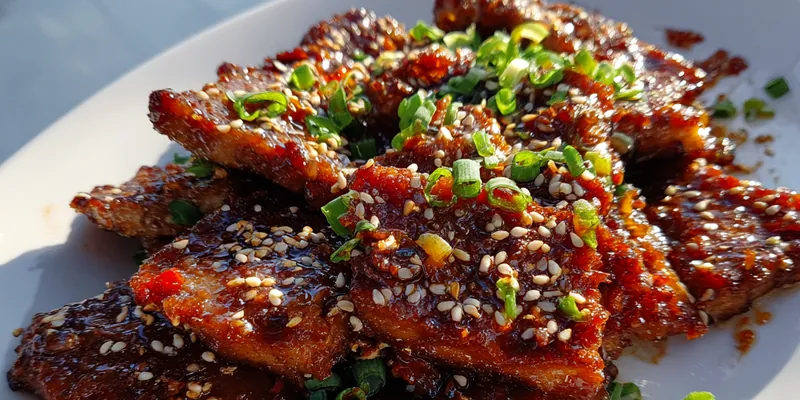
Why This Savory Korean Pork Belly Recipe Works
This recipe for Savory Korean Pork Belly combines the rich flavors of traditional Korean ingredients, ensuring each bite is bursting with taste. The marination process infuses the pork with savory notes, while the frying method creates the perfect crispy texture. It's an approachable dish that delivers restaurant-quality results right at home.
The key to achieving the perfect balance of tenderness and crispiness lies in the cooking technique. By searing the pork belly first, you lock in the juices, while the final simmer in the sauce ensures the flavors meld beautifully. The result is a delectably satisfying dish that will leave everyone wanting more.
💡 Professional Tip
For the best results, use high-quality pork belly with a good ratio of fat to meat. This balance will contribute to a tender texture and rich flavor. Additionally, don't rush the marination process; allowing the pork to soak up the flavors for a longer time leads to an even more delicious meal.
Frequently Asked Questions
Yes, you can prepare the pork belly ahead of time by marinating it and storing it in the refrigerator. It's best consumed within 24 hours for optimal flavor, but it can last up to 2 days. When ready to cook, simply follow the cooking instructions, and you'll have a delicious meal ready in no time.
If you're looking for a substitute for soy sauce, you can use tamari for a gluten-free option or coconut aminos for a soy-free alternative. Both will provide a similar umami flavor to the dish. Adjust the amount based on your taste, as some alternatives may be less salty.
The pork belly is done when it is tender and easily pierced with a fork. The outside should be crispy, and the internal temperature should reach 145°F (63°C). The simmering process will help achieve tenderness while the initial searing creates the desirable crust.
Yes, you can freeze Savory Korean Pork Belly. Make sure to let it cool completely before placing it in an airtight container or freezer bag. It can last in the freezer for up to 3 months. When ready to eat, thaw it overnight in the refrigerator and reheat gently.
Savory Korean Pork Belly pairs wonderfully with steamed rice and kimchi. You can also serve it alongside stir-fried vegetables or a fresh salad for added crunch. For a complete Korean experience, consider including side dishes like pickled radish or a spicy dipping sauce.
Savory Korean Pork Belly can be stored in the refrigerator for up to 3 days. Make sure to keep it in an airtight container to maintain its freshness. When reheating, ensure it is heated thoroughly to enjoy the best texture and flavor.
Yes, you can make Savory Korean Pork Belly in advance. After cooking, allow it to cool completely, then store it in the refrigerator. Reheating it before serving will ensure it's delicious and warm. The flavors may even deepen after sitting overnight.
The best way to reheat Savory Korean Pork Belly is to place it in a skillet over medium heat. This will help regain some of the crispiness. You can also add a bit of water to create steam, keeping it moist. Avoid microwaving, as it may make the pork chewy.
Recipe Troubleshooting Guide
Too Dry
Problem: If the pork belly turns out dry, it may have been overcooked or cooked at too high a temperature.
Solution: To prevent dryness, ensure you are cooking on medium-low heat and check for doneness frequently. You can also add a bit of broth or water to the pan to keep it moist while cooking.
Not Crispy Enough
Problem: If the pork belly isn’t crispy, it could be due to insufficient searing or too much moisture in the pan.
Solution: Ensure to pat the pork belly dry before searing and avoid overcrowding the skillet. Allowing enough space will help achieve a nice crispy texture.
Overcooked
Problem: Overcooking pork belly can lead to a tough texture.
Prevention: To prevent overcooking, monitor the cooking time closely and use a meat thermometer to check the internal temperature. Once it reaches 145°F (63°C), it's done.
Undercooked Center
Problem: If the center of the pork belly is undercooked, it may be too thick or not cooked long enough.
Recovery: Slice thicker pieces into smaller portions to ensure even cooking. Simmering longer will help achieve doneness throughout.
Burnt Exterior
Problem: A burnt exterior may occur if the skillet is too hot or if the pork is left unattended.
Prevention: Reduce the heat if you notice excessive browning and stir occasionally while cooking to prevent burning.
Flavor Balance
Too Sweet: If the dish is too sweet, add a splash of vinegar or a dash of soy sauce to cut the sweetness.
Too Salty: For a dish that is too salty, adding a bit of sugar or balancing with a side of rice can help.
Bland: If the flavors are too bland, consider adding extra spices or a hint of salt and pepper to enhance the taste.
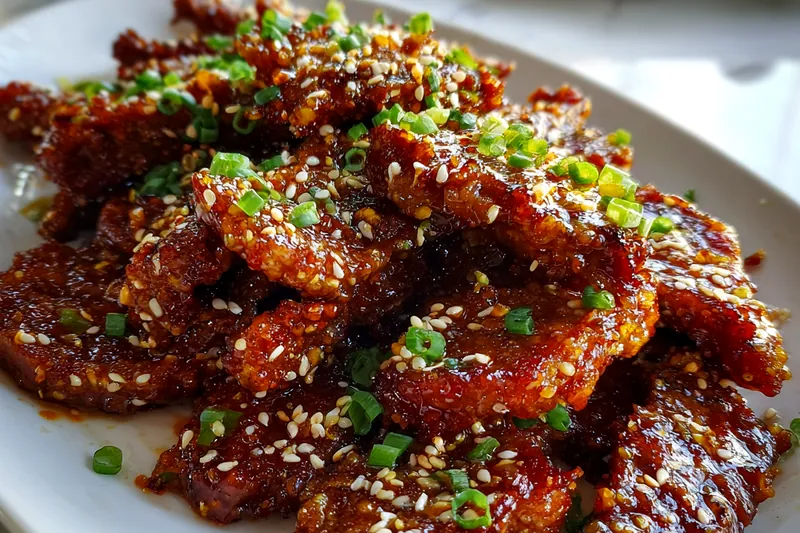
Essential Ingredients for Savory Korean Pork Belly
The key ingredients for Savory Korean Pork Belly include high-quality pork belly, which provides the rich flavor and tender texture that is essential for this dish. Soy sauce, ginger, and garlic are crucial for the marinade, lending an authentic Korean taste that is savory and delicious.
Using fresh ingredients is vital for the best results. Look for pork belly with a good balance of fat and meat, as this will enhance the overall flavor. Fresh garlic and ginger add a vibrant zest, while the right spices create depth and complexity in the dish.
Essential Ingredient Notes
- Pork Belly: Select pork belly that has an even layer of fat and meat for the best flavor. Look for fresh cuts from a reputable butcher for high quality.
- Soy Sauce: Opt for a low-sodium soy sauce to control the saltiness of the dish. Traditional Korean soy sauce will add authenticity.
- Gochugaru: Gochugaru adds a unique smoky heat to the dish, so adjust the amount according to your spice preference. It's an essential ingredient for achieving that classic Korean flavor.
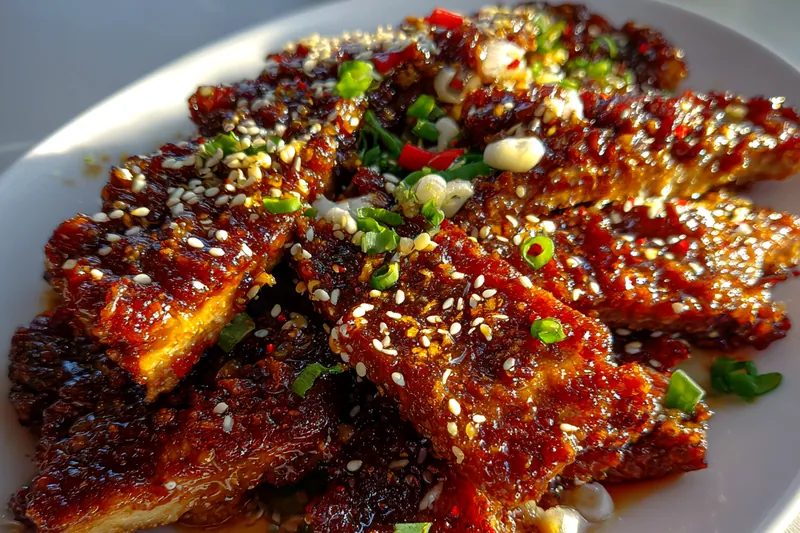
Step-by-Step Cooking Process
The cooking process for Savory Korean Pork Belly is straightforward, allowing even novice cooks to create a delicious meal. Start by marinating the pork belly to infuse it with flavors, then sear it to develop a crispy exterior. Finally, simmer in the marinade to achieve tenderness and depth of flavor.
By following these simple steps, you can ensure that the pork belly comes out perfectly. The combination of frying and simmering gives a delightful contrast of textures that will impress anyone at your dinner table.
Key Technique for Perfect Savory Korean Pork Belly
The key technique for achieving perfect Savory Korean Pork Belly is the marination followed by the frying and simmering method. Allowing the pork to marinate for a sufficient amount of time not only infuses flavor but also tenderizes the meat. The initial high-heat sear locks in the moisture, while the subsequent simmering ensures that the flavors meld beautifully.
Savory Korean Pork Belly
📋 Ingredients
Main Ingredients
- 1/4 cup soy sauceFor marinading
- 2 tablespoons brown sugarFor sweetness
- 1 tablespoon sesame oilFor flavor
- 1 tablespoon rice vinegarFor acidity
- 1 tablespoon honeyFor richness
For the Sauce
- 2 lbs pork bellySliced
- 1 inch gingerGrated
- 4 cloves garlicMinced
- 1 tablespoon gochugaruKorean red pepper flakes
- 2 green onionsChopped
- 1 teaspoon black pepperFor seasoning
- 1 tablespoon vegetable oilFor frying
- 1 cup waterFor simmering
Instructions
Marinate Pork Belly
In a bowl, combine soy sauce, brown sugar, sesame oil, garlic, ginger, gochugaru, rice vinegar, and honey. Add the pork belly slices and marinate for at least 30 minutes.
Prepare Skillet
Heat vegetable oil in a large skillet over medium heat.
Sear Pork Belly
Remove pork belly from marinade and sear each slice in the hot skillet until they are golden brown and crispy, about 3-4 minutes per side.
Simmer
Add remaining marinade and water to the skillet and bring to a simmer.
Cook Thoroughly
Cover and cook on low heat for 20-25 minutes until the pork is tender.
Reduce Sauce
Remove cover and increase heat to medium-high to reduce the sauce until it thickens.
Garnish
Sprinkle with sesame seeds and chopped green onions before serving.
Serve
Serve hot with steamed rice and your choice of side dishes.
Recipe Notes & Tips
Storage Tips
Store leftover Savory Korean Pork Belly in an airtight container in the refrigerator. It will remain fresh for up to 3 days. Reheat thoroughly before serving again to enjoy the flavors.
Serving Suggestions
Savory Korean Pork Belly is best served hot over a bed of fluffy steamed rice. Complement it with traditional Korean side dishes like kimchi, pickled vegetables, or a fresh salad for a complete meal.
Recipe Variations
Feel free to customize your Savory Korean Pork Belly by adding vegetables like bell peppers or mushrooms to the skillet during the cooking process. You can also experiment with different marinades by adjusting the spices and sweetness to suit your taste.