Quick and Healthy Sautéed Veggies
Sautéed veggies are a quick and healthy way to add color and nutrition to your meals. This recipe combines a variety of fresh vegetables, sautéed to perfection with simple seasonings. It's not just delicious but also versatile, making it easy to adapt with whatever vegetables you have on hand. Perfect for a quick weeknight dinner or as a vibrant side dish for any meal.

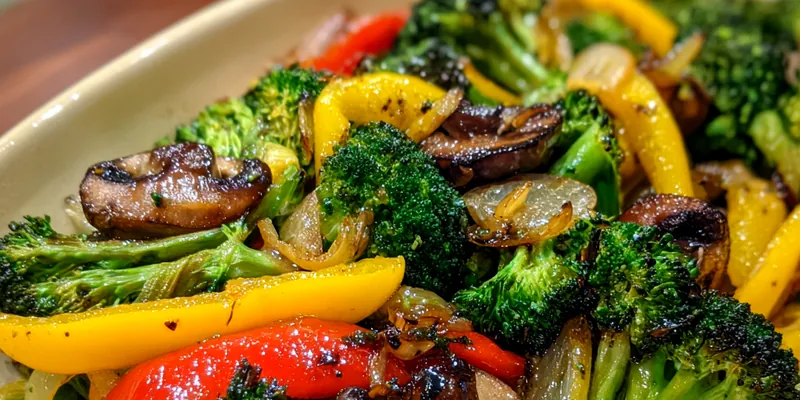
Why This Quick and Healthy Sautéed Veggies Recipe Works
This sautéed veggie recipe stands out due to its simplicity and vibrant flavors. The combination of fresh vegetables not only provides a rainbow of colors but also a variety of nutrients, making each bite a healthy choice. The quick cooking method preserves the veggies' natural crunch and flavor, making it an ideal side dish.
With a balance of savory and slightly tangy flavors, this dish is both satisfying and light. The quick sautéing technique enhances the natural sweetness of the vegetables while preventing them from becoming mushy. Each ingredient complements the others, creating a harmonious dish that pairs well with various main courses.
💡 Professional Tip
For the best results, cut your vegetables into uniform sizes to ensure even cooking. Also, avoid overcrowding the pan to allow proper sautéing, which enhances flavor and texture.
Frequently Asked Questions
Yes, you can prepare the veggies ahead of time. Chop and store them in airtight containers in the refrigerator for up to 2 days. When ready to cook, simply sauté them directly from the fridge for a quick side dish.
If you want to avoid soy sauce, try using coconut aminos or tamari for a gluten-free option. Both alternatives provide a similar umami flavor. You can also use a mixture of balsamic vinegar and a pinch of salt for a different taste.
Sautéing is the best method for cooking these veggies as it allows for quick cooking while maintaining texture and flavor. Stir-frying is also effective, especially if you want to incorporate proteins. Both methods require high heat and constant movement to prevent burning.
To prevent soggy vegetables, make sure to dry them thoroughly before cooking. Avoid overcrowding the pan, as this can trap steam and lead to sogginess. Sauté in batches if necessary, and cook over medium-high heat for the best results.
The veggies are perfectly done when they are tender but still crisp. A vibrant color and slight char on the edges indicate that they have cooked well without becoming mushy. Taste a piece to ensure they have retained their natural sweetness.
These sautéed veggies pair beautifully with grilled chicken, fish, or tofu. They can also be served over rice or quinoa for a complete meal. Try them alongside pasta dishes or as a topping for grain bowls for added nutrition.
Yes, you can add red pepper flakes or a splash of hot sauce to the veggies while sautéing for a spicy kick. Alternatively, consider incorporating spicy peppers like jalapeños or serranos for a fresh heat.
Store leftover sautéed veggies in an airtight container in the refrigerator for up to 3 days. To reheat, simply sauté them again in a pan over medium heat until warmed through. You can also microwave them, but be cautious not to overcook.
Recipe Troubleshooting Guide
Vegetables Not Cooking Evenly
Problem: If your vegetables are not cooking evenly, they may be cut into different sizes.
Solution: Ensure all vegetables are cut uniformly to promote even cooking. If necessary, sauté them in batches to avoid overcrowding the pan.
Vegetables are Soggy
Problem: Soggy vegetables can result from excess moisture or overcrowding the skillet.
Solution: Make sure to dry vegetables well before cooking and avoid adding too many at once to the pan. Cook over medium-high heat to promote evaporation.
Lack of Flavor
Problem: If your sautéed veggies taste bland, it may be due to insufficient seasoning.
Prevention: Taste your vegetables as they cook and adjust seasoning as needed. Adding salt, pepper, and a splash of lemon juice can enhance overall flavor.
Overcooked Vegetables
Problem: Overcooked vegetables can become mushy and lose their vibrant color.
Recovery: Remove the vegetables from the heat as soon as they are tender but still crisp. Keep a close eye on them while cooking to avoid overcooking.
Uneven Cooking
Problem: If some veggies are undercooked while others are overcooked, it may be due to unevenly sized pieces.
Prevention: Chop vegetables into similar sizes and add tougher vegetables to the pan first. This helps ensure everything cooks evenly.
Flavor Balance Issues
Too Sweet: If your dish is too sweet, add a little vinegar or lemon juice to balance the flavors.
Too Salty: If too salty, add a bit of sugar, honey, or additional veggies to dilute the saltiness.
Bland: To enhance bland flavors, consider adding fresh herbs, spices, or a splash of citrus juice for brightness.
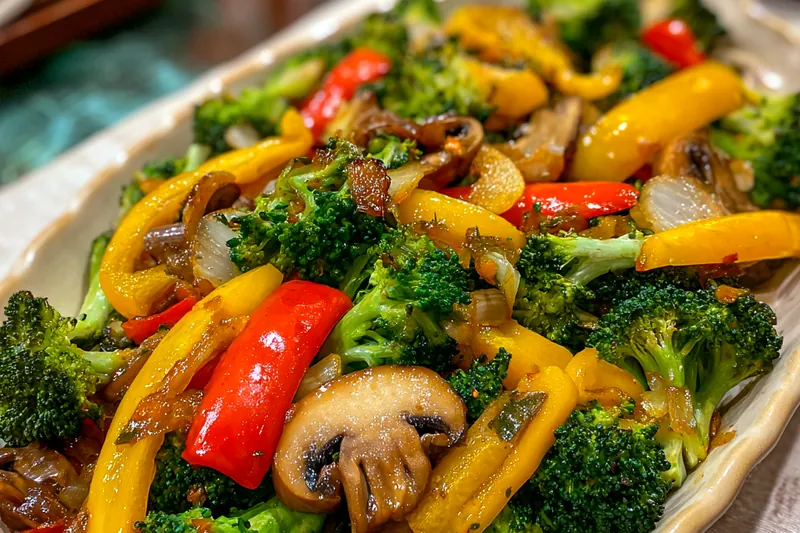
Choosing the Best Ingredients for Quick and Healthy Sautéed Veggies
Selecting fresh vegetables is key to making delicious sautéed veggies. Look for firm, bright-colored produce that feels heavy for its size. Organic options are often more flavorful and free from pesticides, enhancing the overall quality of the dish.
Wash and dry your vegetables thoroughly before chopping. This ensures they sauté properly and do not release excess moisture. Cutting them into similar sizes will help them cook evenly, achieving the perfect texture.
Essential Ingredient Notes
- Bell Pepper: Bell peppers add sweetness and color to the dish. Choose firm peppers with vibrant skin, avoiding any that have wrinkles or soft spots.
- Zucchini: Zucchini is versatile and cooks quickly. Select small to medium-sized zucchinis for the best flavor and texture, and avoid large ones that may be seedy.
- Broccoli: Broccoli florets are nutrient-dense and add crunch. Look for bright green heads that are tightly packed and avoid those with yellowing or wilting leaves.
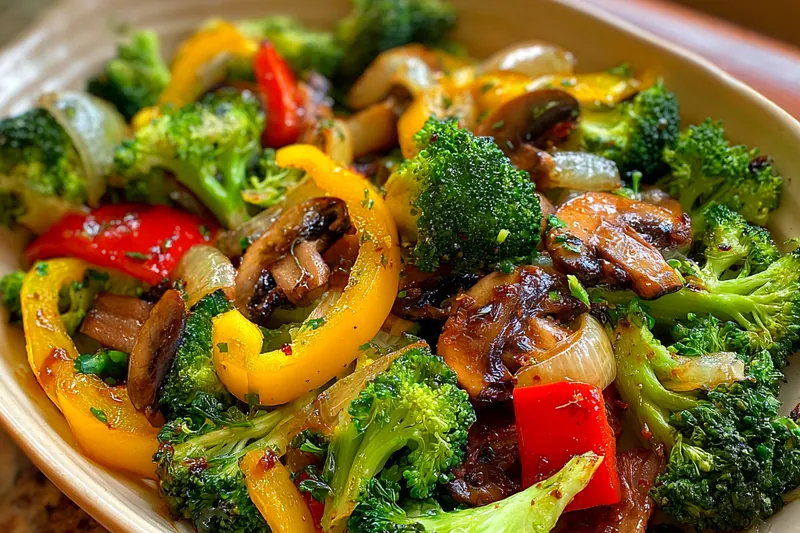
Mastering the Cooking Technique
Sautéing is an art that requires attention to heat and timing. Start with a hot skillet and oil to create a non-stick surface. This method allows vegetables to caramelize slightly, enhancing their natural flavors while retaining their crispness.
Cook your vegetables in batches if necessary, maintaining high heat to promote a quick sauté. Stir frequently to ensure even cooking, and look for vibrant colors and slight browning as signs that your veggies are done.
The Secret to Perfect Quick and Healthy Sautéed Veggies
The secret lies in high heat and quick cooking. This method not only preserves the nutrients but also enhances the natural flavors of the vegetables, creating a dish that's both healthy and delicious.
Quick and Healthy Sautéed Veggies
📋 Ingredients
Sauce/Seasoning
- 2 tablespoons olive oilFor sautéing and flavor
- 1 teaspoon garlic powderAdds aromatic depth
- 1 teaspoon onion powderEnhances overall flavor
- 1 teaspoon black pepperFor seasoning
- 1 teaspoon saltTo taste
- 2 tablespoons soy sauceFor umami flavor
- 1 tablespoon lemon juiceAdds brightness
Main Ingredients
- 1 bell pepper, slicedFor color and crunch
- 1 zucchini, slicedAdds texture
- 1 cup broccoli floretsNutrient-rich
- 1 cup carrots, juliennedFor sweetness
- 1 cup snap peasFor crunch
Instructions
Gather and Prepare Ingredients
Collect all the vegetables and ingredients. Wash and chop them into even sizes for consistent cooking.
Heat the Skillet
Place a large skillet over medium-high heat. Add the olive oil and allow it to heat until shimmering.
Sauté Aromatics
Add garlic powder and onion powder to the hot oil. Stir for about 30 seconds until fragrant.
Add Vegetables
Introduce the sliced bell pepper, zucchini, broccoli, carrots, and snap peas to the skillet. Stir to combine.
Season the Veggies
Sprinkle salt, black pepper, and soy sauce over the vegetables. Toss well to ensure even coating.
Cook Until Tender
Sauté the vegetables for about 5-7 minutes or until they are tender yet crisp. Stir occasionally to prevent sticking.
Finish with Lemon Juice
Remove the skillet from heat and drizzle lemon juice over the sautéed veggies. Stir to mix in the flavor.
Serve and Enjoy
Transfer the sautéed veggies to a serving dish. Serve warm as a side dish or over rice for a complete meal.
Recipe Notes & Tips
Make-Ahead Instructions
You can chop vegetables a day in advance and store them in the refrigerator. Simply sauté them quickly when ready to serve.
Serving Suggestions
These sautéed veggies are perfect served alongside grilled meats or on top of rice or quinoa for a healthy bowl.
Recipe Variations
Feel free to add different vegetables such as asparagus or mushrooms for variety. You can also include a protein like chicken or tofu for a complete meal.