Pineapple Coconut Layer Cake
This Pineapple Coconut Layer Cake is a delightful blend of tropical flavors and creamy textures. Perfect for any occasion, this cake is sure to impress your guests with its moist layers and rich coconut frosting. It's a celebration of summer in every bite. Let's dive into this irresistible dessert!

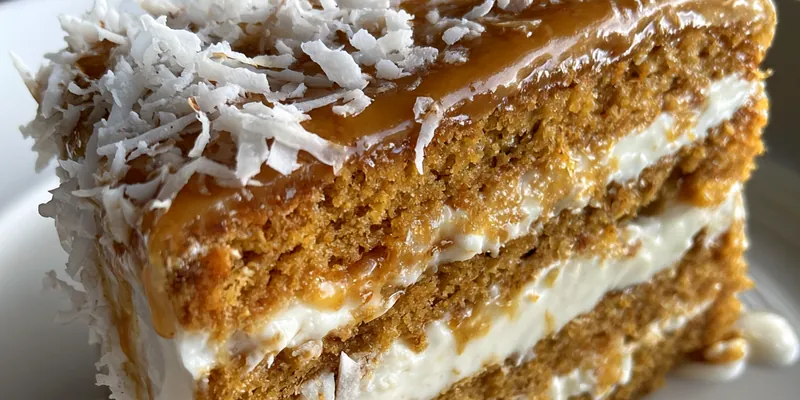
Why This Pineapple Coconut Layer Cake Recipe Works
This Pineapple Coconut Layer Cake stands out due to its unique blend of flavors and textures. The moist cake layers are complemented by a rich coconut frosting that enhances the tropical essence. Using fresh ingredients ensures that every slice bursts with flavor, making it a memorable dessert for any occasion.
The technique used in this recipe is key to achieving the perfect balance between sweetness and moisture. By creaming the butter and sugar well and incorporating the pineapple gently, the cake remains light and fluffy, while the frosting adds a creamy finish that ties the flavors together beautifully.
💡 Professional Tip
For best results, ensure all your ingredients are at room temperature before starting. This helps in achieving a smooth batter and incorporates air into the mixture, leading to a lighter cake. Also, don't overmix the batter to keep it tender.
Frequently Asked Questions
Yes, you can make the cake layers ahead of time. Allow them to cool completely, wrap them in plastic wrap, and store them in the refrigerator for up to two days. Frost the cake closer to serving time for the best texture and flavor.
If you prefer not to use cream cheese, you can substitute it with mascarpone cheese for a similar creamy texture. Alternatively, whipped cream or a buttercream frosting can also be used to achieve a delicious finish.
The cake is done when a toothpick inserted into the center comes out clean or with a few moist crumbs. Additionally, the edges should start to pull away from the sides of the pan, indicating it's properly baked.
Yes, this cake freezes well. Wrap the unfrosted cake layers tightly in plastic wrap and aluminum foil. They can be stored in the freezer for up to three months. Thaw in the refrigerator before frosting and serving.
This cake pairs beautifully with fresh fruit like berries or a scoop of vanilla ice cream. A light tropical fruit salad can also enhance the dining experience and complement the cake's flavors.
The cake can be stored in the refrigerator for up to five days. Make sure to cover it tightly with plastic wrap or store it in an airtight container to maintain its freshness.
Certainly! You can prepare the cake layers a day or two in advance and store them in the refrigerator. Frosting can also be made ahead and refrigerated until ready to use. Just allow everything to come to room temperature before assembling.
If you prefer your cake warm, use a microwave to heat individual slices for about 10-15 seconds. Alternatively, place the whole cake in a preheated oven at 300°F (150°C) for about 10 minutes, ensuring it remains covered to prevent drying.
Recipe Troubleshooting Guide
Too Dry
Problem: If your cake turns out dry, it might be overbaked or lacked enough moisture from the ingredients.
Solution: Ensure to check the cake a few minutes before the recommended baking time. Adding a little more coconut milk can also help retain moisture in the batter.
Not Crispy Enough
Problem: If the cake does not have a crispy exterior, it may need a longer baking time or higher oven temperature.
Solution: Consider baking the cake for an additional few minutes, checking for doneness periodically. Ensure your oven is properly calibrated for accurate temperatures.
Overcooked
Problem: Overcooked cake can become crumbly and dry, often due to baking too long or at too high a temperature.
Prevention: To prevent overcooking, always keep an eye on the cake in the last few minutes of baking, and use an oven thermometer to ensure accurate readings.
Undercooked Center
Problem: An undercooked center can cause the cake to fall apart when sliced.
Recovery: If the center is undercooked, return the cake to the oven for an additional 5-10 minutes, covering the top with aluminum foil to prevent over-browning.
Burnt Exterior
Problem: Burnt edges or tops can occur if the cake is baked at too high a temperature or for too long.
Prevention: To avoid this, reduce the oven temperature slightly and check on the cake periodically to ensure it does not overbake.
Flavor Balance
Too Sweet: If the cake is too sweet, you can balance it by serving it with a tangy fruit sauce or a dollop of whipped cream.
Too Salty: If the cake tastes too salty, consider adjusting your salt measurements next time. A sweeter frosting can also help mask the saltiness.
Bland: To enhance flavor, add a pinch of salt or a splash of vanilla extract to the cake batter next time.
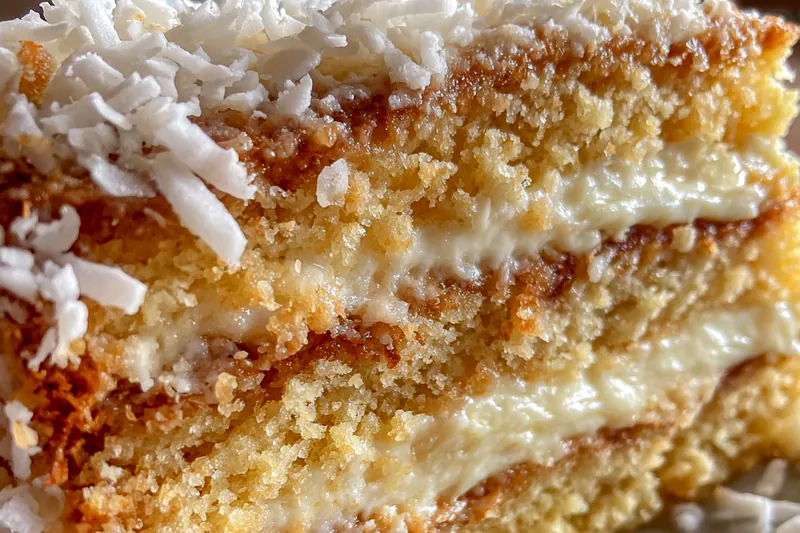
Essential Ingredients for Pineapple Coconut Layer Cake
The key ingredients in this cake include all-purpose flour, granulated sugar, and unsweetened shredded coconut, which contribute to the cake's texture and flavor. The crushed pineapple adds moisture and a delightful fruity taste, while the coconut milk enriches the batter, bringing out the tropical essence.
Choosing high-quality ingredients is crucial for achieving the best flavor. Use fresh pineapple, if possible, and opt for organic coconut products to ensure a rich, authentic taste. Freshly grated coconut can elevate the cake's texture and flavor profile.
Essential Ingredient Notes
- Coconut Milk: Coconut milk should be full-fat for the best flavor and texture. It adds moisture and a rich, creamy consistency to the cake batter that enhances the overall taste.
- Crushed Pineapple: Make sure to drain the crushed pineapple well before adding it to the batter. This will prevent excess moisture and ensure the cake bakes properly.
- Shredded Coconut: Use unsweetened shredded coconut to prevent the cake from becoming overly sweet. Toasting the coconut lightly before adding it can enhance its flavor and add a lovely crunch.
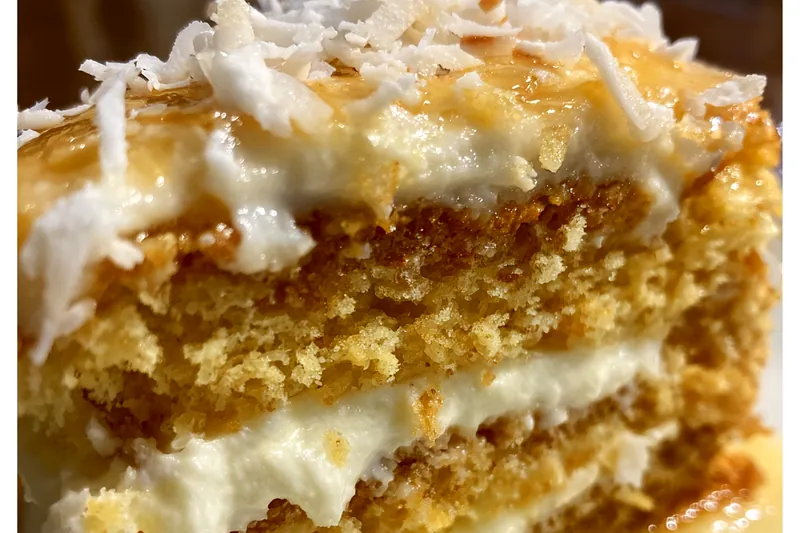
Step-by-Step Cooking Process
The cooking process for this Pineapple Coconut Layer Cake is straightforward. Begin by preparing your cake pans and preheating your oven. Then, mix the dry and wet ingredients separately, ensuring a smooth incorporation before combining them.
Once the batter is prepared, bake until golden and a toothpick comes out clean. Allow the cakes to cool properly before frosting, ensuring a neat and beautiful finish. Following these steps will lead to a perfectly layered cake.
Key Technique for Perfect Pineapple Coconut Layer Cake
The key to achieving a moist and fluffy cake lies in properly creaming the butter and sugar. This incorporates air into the mixture, resulting in a lighter texture. Additionally, folding in the wet ingredients gently ensures that the cake remains tender and does not become dense.
Pineapple Coconut Layer Cake
📋 Ingredients
Main Ingredients
- 1 cup butterRoom temperature
- 1 cup coconut milkFull fat
- 1/2 cup granulated sugarFor the sauce
- 1/4 cup crushed pineappleFor garnish
- 1/2 teaspoon vanilla extractFor flavor
For the Sauce
- 2 cups all-purpose flourFor base
- 1 cup granulated sugarSweetens the cake
- 1/2 cup unsalted butterSoftened
- 1 cup coconut milkRich moisture
- 1 cup crushed pineappleDrained
- 2 large eggsAdds richness
- 1 cup shredded coconutFor texture
- 1 tablespoon baking powderLeavening agent
- 1/2 teaspoon saltEnhances flavor
- 1 teaspoon vanilla extractFor flavor
Instructions
Preheat Oven
Preheat your oven to 350°F (175°C) and grease three 9-inch cake pans.
Mix Dry Ingredients
In a bowl, whisk together the flour, baking powder, and salt.
Cream Butter and Sugar
In a separate bowl, cream the softened butter and sugar together until light and fluffy.
Add Eggs and Vanilla
Add the eggs and vanilla extract to the butter mixture and beat well.
Combine Ingredients
Alternately add the dry ingredients and coconut milk to the butter mixture, mixing until just combined.
Fold in Pineapple and Coconut
Gently fold in the crushed pineapple and shredded coconut into the batter.
Bake the Cakes
Divide the batter evenly among the prepared cake pans and bake for 25-30 minutes or until a toothpick comes out clean.
Cool the Cakes
Allow the cakes to cool in the pans for 10 minutes, then transfer to wire racks to cool completely.
Prepare Frosting
In a mixing bowl, beat the cream cheese and heavy cream until smooth, then gradually add powdered sugar and beat until fluffy.
Assemble the Cake
Place one cake layer on a serving plate, spread frosting on top, and repeat with remaining layers. Top with coconut flakes.
Serve
Slice the cake and serve chilled. Enjoy your delightful Pineapple Coconut Layer Cake!
Recipe Notes & Tips
Storage Tips
To properly store your Pineapple Coconut Layer Cake, keep it in an airtight container in the refrigerator. If left uncovered, the cake may dry out or absorb unwanted odors. Proper storage will keep it fresh for up to five days.
Serving Suggestions
This cake is best served slightly chilled. Pair it with a dollop of whipped cream or serve alongside fresh tropical fruits for a refreshing touch. A light drizzle of fruit sauce can elevate the presentation and flavor.
Recipe Variations
For a different twist, try adding a layer of lime curd between the cake layers for added zest. You can also experiment with different nuts, like toasted macadamia, for added crunch and flavor. Consider a gluten-free version by substituting the flour with almond flour.