Lemon Herb Chicken Potatoes
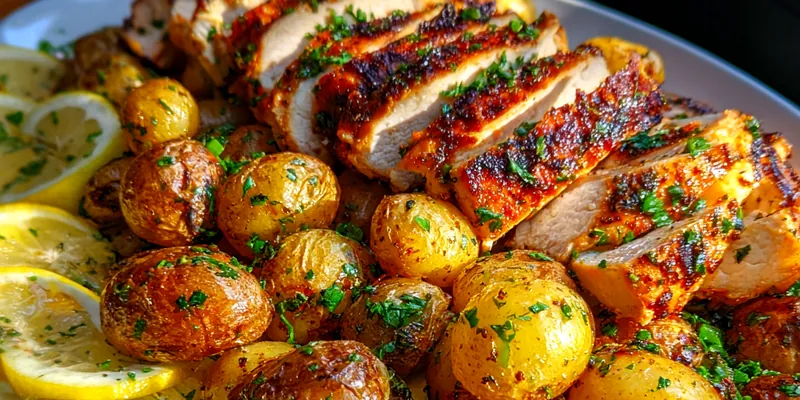
Lemon Herb Chicken Potatoes is a delightful Mediterranean dish that combines juicy chicken with tender potatoes. Infused with fresh herbs and zesty lemon, it’s a wholesome meal that’s perfect for any dinner occasion. This recipe is easy to follow and ideal for families looking for comfort food with a Mediterranean twist. You'll love how the flavors blend together for a deliciously satisfying meal.

Why This Lemon Herb Chicken Potatoes Recipe Works
This recipe stands out because of its simplicity and robust flavor profile. The combination of fresh herbs and lemon lifts the dish, making it refreshing yet comforting. The marinated chicken becomes juicy and flavorful, while the potatoes soak up the delicious cooking juices. It’s an easy one-pan meal that minimizes cleanup while maximizing taste.
The technique of marinating the chicken for at least 15 minutes ensures that the flavors penetrate the meat, while baking it with the potatoes allows them to cook evenly together. This method results in perfectly tender chicken and crispy potatoes that are packed with flavor. The addition of chicken broth keeps the dish moist and enhances the overall taste experience.
💡 Professional Tip
For the best flavor, let the chicken marinate longer if time allows—up to 2 hours. This allows the herbs and lemon to really infuse into the chicken. Additionally, using high-quality olive oil will enhance the overall taste of the dish.
Frequently Asked Questions
Yes, you can prepare this dish ahead of time by marinating the chicken and cutting the potatoes in advance. Store the marinated chicken and potatoes in the refrigerator for up to 24 hours before baking. This not only saves time but also allows the flavors to develop even more. Just be sure to bring them back to room temperature before baking for even cooking.
You can substitute chicken with turkey or even tofu for a vegetarian option. If using turkey, ensure that it is cooked thoroughly as the cooking time may vary. For tofu, press and marinate it similarly before baking, adjusting the cooking time as needed until it's heated through.
The chicken is done when it reaches an internal temperature of 165°F (75°C). You can also check if the juices run clear when pierced with a fork. The potatoes should be tender and easy to cut through. If unsure, you can always use a meat thermometer for accuracy.
Yes, you can freeze this dish. To do so, let it cool completely after baking, then transfer it to an airtight container or freezer bag. It can be frozen for up to 3 months. To reheat, thaw in the refrigerator overnight and bake at a low temperature until heated through.
This dish pairs wonderfully with a simple green salad or steamed vegetables to balance out the meal. Additionally, a side of crusty bread or a refreshing tzatziki sauce complements the Mediterranean flavors beautifully.
Leftovers can be stored in an airtight container in the fridge for up to 3 days. Make sure to cool it down to room temperature before storing. Reheat the chicken and potatoes in the oven or microwave until they are warmed through before serving.
Yes, you can prepare the chicken and potatoes in advance by marinating the chicken and cutting the potatoes. Store them separately in the fridge until you're ready to bake them. They should be baked fresh for the best texture and flavor, but having them prepped in advance makes mealtime much easier.
The best way to reheat is in the oven at a low temperature, around 300°F (150°C), for about 15-20 minutes until heated through. This method helps maintain the texture of the chicken and potatoes. Alternatively, you can use the microwave, but keep an eye on it to avoid drying out the dish.
Recipe Troubleshooting Guide
Too Dry
Problem: The chicken or potatoes are dry after baking.
Solution: Ensure that you add enough chicken broth before baking. Covering the dish with foil for the first half of baking can also help retain moisture. You can also baste the chicken and potatoes halfway through the cooking time to keep them juicy.
Not Crispy Enough
Problem: The potatoes are not crispy.
Solution: For crispier potatoes, ensure they are well-coated in oil and avoid overcrowding the baking dish. You can also broil them in the last few minutes of cooking to achieve that crispy texture.
Overcooked
Problem: The chicken is overcooked and tough.
Prevention: To prevent overcooking, use a meat thermometer to check for doneness at 165°F (75°C). Also, reduce the cooking time slightly if you are using smaller chicken pieces or if your oven is hotter than average.
Undercooked Center
Problem: The chicken has an undercooked center.
Recovery: If you find an undercooked center, return the chicken to the oven and bake for an additional 5-10 minutes. Cover it with foil to prevent further drying out while it finishes cooking.
Burnt Exterior
Problem: The outside of the chicken is burnt while the inside is undercooked.
Prevention: Lower the oven temperature and cover the dish with foil for part of the cooking time. This allows the chicken to cook through without burning the exterior. Ensure the chicken is spaced out in the baking dish to cook evenly.
Flavor Balance
Too Sweet: If the dish is too sweet, add a splash of vinegar or additional lemon juice to balance the flavors.
Too Salty: If it’s too salty, adding more potatoes can help absorb some saltiness. Alternatively, add a splash of water or low-sodium broth.
Bland: If the dish is bland, increase the amount of seasoning and herbs used. Adding a bit more lemon juice can also enhance the overall flavor.

Essential Ingredients for Lemon Herb Chicken Potatoes
The key ingredients in this recipe include fresh chicken, vibrant herbs, and tender baby potatoes. Utilizing fresh, high-quality ingredients makes a significant difference in flavor and texture. The combination of lemon, garlic, and herbs creates a mouthwatering marinade that enhances the chicken and potatoes as they bake together.
Always opt for organic or locally sourced chicken when possible, and use fresh herbs instead of dried for the best results. The quality of the potatoes also matters; choose waxy varieties such as baby Yukon Gold or red potatoes for a creamy texture that will hold up during cooking.
Essential Ingredient Notes
- Chicken: For the chicken, choose bone-in pieces if you want more flavor and moisture. Skinless chicken thighs are a great option as they remain juicy during cooking. If using boneless chicken breasts, be cautious not to overcook them as they can dry out quickly.
- Potatoes: When selecting potatoes, look for those that are firm and free of blemishes. Waxy potatoes hold their shape better during cooking and have a creamy texture. You can also experiment with different types of potatoes to add variety to the dish.
- Fresh Herbs: Using fresh herbs not only enhances the flavor, but also adds a beautiful visual appeal to the dish. Chop the herbs just before using them to maintain their freshness. Feel free to mix and match herbs based on your personal preference or what you have on hand.
Step-by-Step Cooking Process
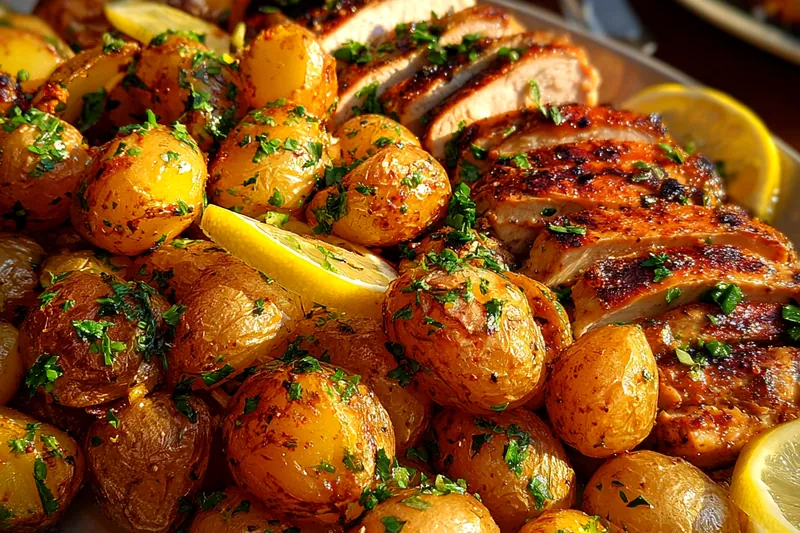
The cooking method for Lemon Herb Chicken Potatoes is straightforward, making it perfect for home cooks of all skill levels. The marinating time allows the flavors to meld beautifully, while roasting in the oven creates a warm, comforting dish. Using a single baking dish simplifies both cooking and cleanup.
To achieve perfect results, make sure to evenly space the chicken and potatoes in the baking dish. This allows for even cooking and browning. Monitor the cooking time closely and adjust based on your oven, as some may cook faster than others.
Key Technique for Perfect Lemon Herb Chicken Potatoes
The key technique for this recipe is marinating the chicken. This step is crucial as it infuses the meat with flavor and keeps it juicy during cooking. Allowing the chicken to sit in the marinade for at least 15 minutes, or longer if possible, enhances the overall taste of the dish.
Lemon Herb Chicken Potatoes
📋 Ingredients
Main Ingredients
- 1 cup butterRoom temperature
- 1/4 cup lemon juiceFreshly squeezed
- 1 tablespoon Dijon mustardFor added depth
- 1 tablespoon honeyFor sweetness
- Salt and pepper to tasteTo enhance flavors
For the Sauce
- 2 lbs chickenCut into pieces
- 1 lb baby potatoesHalved
- 2 tablespoons olive oilExtra virgin preferred
- 3 cloves garlicMinced
- 1 lemonZested and juiced
- 1 tablespoon fresh thymeChopped
- 1 tablespoon fresh rosemaryChopped
- 1 tablespoon fresh parsleyChopped
- Salt and pepper to tasteTo season
- 1 teaspoon paprikaFor color
- 1/2 teaspoon red pepper flakesOptional for heat
- 1/2 cup chicken brothTo keep moist
- Fresh lemon slicesFor garnish
- Chopped parsleyFor garnish
Instructions
Preheat the Oven
Preheat your oven to 400°F (200°C).
Prepare the Marinade
In a bowl, combine olive oil, garlic, lemon zest, lemon juice, thyme, rosemary, parsley, salt, pepper, paprika, and red pepper flakes.
Marinate the Chicken
Add chicken pieces to the marinade, ensuring they are well coated. Let them marinate for at least 15 minutes.
Prepare the Potatoes
Toss the halved baby potatoes in a separate bowl with olive oil, salt, and pepper.
Arrange in Baking Dish
Place the marinated chicken and potatoes in a large baking dish. Pour chicken broth around the chicken.
Bake
Bake in the preheated oven for 40-45 minutes, or until the chicken is cooked through and potatoes are tender.
Garnish
Once done, garnish with fresh lemon slices and chopped parsley before serving.
Serve
Serve hot, and enjoy your Lemon Herb Chicken Potatoes!
Recipe Notes & Tips
Storage Tips
Store any leftover Lemon Herb Chicken Potatoes in an airtight container in the refrigerator. Be sure to cool the dish to room temperature before storing. Properly stored, it will last up to 3 days. For best quality, reheat in the oven or microwave before serving.
Serving Suggestions
Serve Lemon Herb Chicken Potatoes alongside a crisp green salad or steamed vegetables for a balanced meal. A side of garlic bread or a light Mediterranean dip also pairs well with this dish, enhancing the dining experience.
Recipe Variations
Feel free to experiment with different vegetables, such as bell peppers or zucchini, by adding them to the baking dish. You can also try swapping herbs to suit your taste, such as using dill or oregano instead of thyme and rosemary.