Homemade Citrus Candy
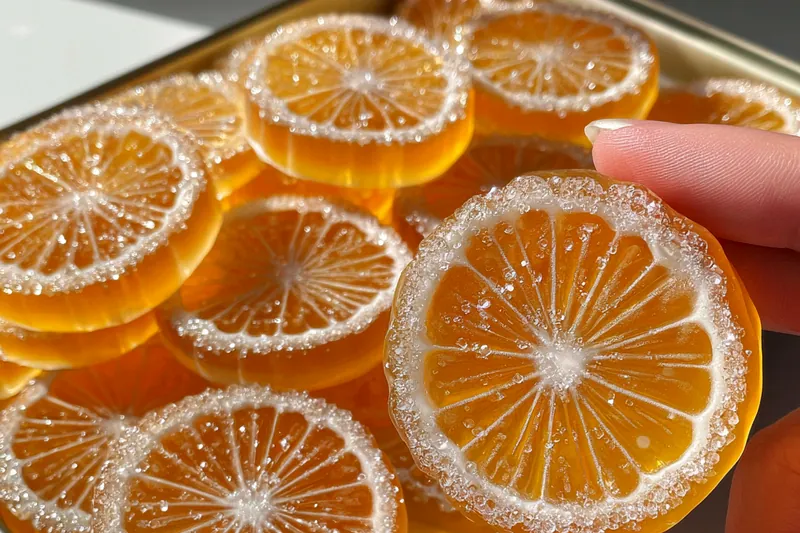
Homemade Citrus Candy is a delightful treat that captures the essence of fresh fruit in a sweet, chewy form. Perfect for snacking or gifting, this easy recipe brings sunshine to your taste buds. With a mix of oranges, lemons, and limes, it's sure to be a crowd-pleaser. Enjoy making these vibrant candies at home with simple ingredients.


Why This Homemade Citrus Candy Recipe Works
This recipe shines because it uses fresh, vibrant citrus fruits that not only add rich flavor but also provide a beautiful presentation. The cooking process transforms the fruit into a chewy candy that captures the essence of each fruit. The balance of sweetness from the sugar and natural tartness from the citrus makes every bite a delightful experience.
The technique of simmering the slices in a sugar syrup is key to achieving the perfect texture. This slow cooking allows the flavors to meld beautifully while ensuring that the candy is not too sticky. With a light coating of sugar after drying, the final product is a candy that not only looks stunning but is also incredibly enjoyable to eat.
💡 Professional Tip
When making homemade citrus candy, make sure to remove all pith from the fruit slices. The pith can create a bitter taste that can overpower the sweetness. Additionally, keep an eye on the simmering time to avoid overcooking, which can lead to a hard texture instead of a chewy one.
Frequently Asked Questions
Yes, you can make Homemade Citrus Candy ahead of time! It stores well in an airtight container at room temperature for up to two weeks. This makes it a great option for preparing treats for gatherings or as gifts for friends and family. Just make sure they are completely dry before storing to prevent stickiness.
If you don't have fresh citrus fruits available, you can use store-bought dehydrated citrus slices. However, the flavor and texture may differ slightly. Alternatively, you can experiment with different fruits like apples or pears, but you may need to adjust the cooking time to achieve the desired candy consistency.
The candy is done when the citrus slices have turned a translucent color and are no longer bubbling in the syrup. You can also test one slice to see if it has a chewy texture. After drying, they should be firm to the touch and not sticky.
Yes, you can freeze Homemade Citrus Candy! It should be placed in a single layer on a baking sheet to freeze individually before transferring to an airtight container. When ready to enjoy, simply thaw at room temperature for a few hours. However, freezing may alter the texture slightly.
Homemade Citrus Candy pairs wonderfully with tea or coffee as a delightful afternoon treat. You can also use them as a garnish for desserts like cakes or ice cream. Additionally, they make a great addition to a charcuterie board alongside nuts and cheeses.
Homemade Citrus Candy is best stored at room temperature, but if kept in the fridge, it can last up to three weeks in an airtight container. Keep in mind that refrigeration might make the candy a bit firmer, so it's best enjoyed at room temperature.
Absolutely! Making Homemade Citrus Candy in advance is a great idea since it stores well and the flavors can develop further over time. Simply prepare the candy, allow it to cool and dry completely, and store it in an airtight container until you are ready to serve.
There is no need to reheat Homemade Citrus Candy, as it is best enjoyed at room temperature. If it has become too hard after storage, you can place it in a warm area to soften it slightly before serving, but avoid using heat to prevent melting.
Recipe Troubleshooting Guide
Too Dry
Problem: The candy turns out too dry and hard.
Solution: This can happen if the citrus slices are overcooked in the syrup. To prevent this, monitor the cooking time closely and remove the slices once they look translucent and tender. If they turn out dry, consider soaking them in a bit of syrup before serving.
Not Crispy Enough
Problem: The candy doesn't have the desired crispy texture.
Solution: Ensure that the candy is allowed to dry completely after coating in sugar. If they are not sufficiently dried, they can remain sticky and soft. A longer drying time may be necessary in humid conditions.
Overcooked
Problem: The candy becomes too hard or caramelized.
Prevention: To prevent overcooking, keep the cooking temperature low and frequently check the citrus slices. If they are already overcooked, consider making a syrup to drizzle over desserts to use them up creatively.
Undercooked Center
Problem: The center of the candy remains tough and chewy.
Recovery: If you find the center is undercooked, you can return the slices to the syrup for a few additional minutes of cooking. Just be careful not to overdo it and dry them out.
Burnt Exterior
Problem: The exterior of the candy has a burnt flavor.
Prevention: To avoid a burnt flavor, keep the heat low while cooking and ensure you stir occasionally. If you notice any burnt spots, trim them off before serving.
Flavor Balance
Too Sweet: If the candy is too sweet, consider adding a touch more lemon or lime juice to balance the flavor.
Too Salty: If it tastes too salty, ensure that salt is measured correctly or omit it if desired.
Bland: To enhance bland candy, toss it with a bit of citrus zest or a sprinkle of more sugar for added flavor.

Essential Ingredients for Homemade Citrus Candy
The key to this candy lies in the freshness of the citrus fruits used. Oranges provide sweetness, while lemons and limes add a zesty kick. Using high-quality fruits will enhance the overall flavor and texture of the candy. Additionally, granulated sugar is essential for the syrup and coating.
When selecting your citrus fruits, look for ones that are firm and vibrant in color. Organic options can offer more intense flavors and fewer pesticides. Fresh ingredients will ensure that your candy tastes its best.
Essential Ingredient Notes
- Oranges: Choose bright, firm oranges for the best flavor. The zest can add an aromatic element, so don’t discard it. Navel oranges are particularly sweet and ideal for this recipe.
- Lemons: Lemons should be juicy and have a bright yellow color. The juice is used to enhance flavor, so choose fresh lemons rather than bottled juice for the best taste.
- Limes: Select limes that are heavy for their size, indicating juiciness. The zest will contribute to the fragrance and flavor, making the candy more aromatic.
Step-by-Step Cooking Process
Making homemade citrus candy involves a straightforward process that is both rewarding and fun. Start by preparing your citrus fruits and creating a syrup that will infuse the slices with sweetness. The key is to simmer the slices gently to soften them while allowing the flavors to meld.
After cooking, drying the candy properly is just as essential to achieve the right texture. With a little patience, you’ll end up with a delightful treat that showcases the natural beauty of the fruits, perfect for any occasion.
Key Technique for Perfect Homemade Citrus Candy
The most important technique in making citrus candy is mastering the simmering process. This gentle heat allows the citrus slices to soften without becoming overly caramelized. Continuous monitoring and using a thermometer can help achieve the ideal texture.
Homemade Citrus Candy
📋 Ingredients
Main Ingredients
- 1 cup butterRoom temperature
- 1 cup waterFiltered
- 2 cups granulated sugarFor syrup
For the Sauce
- 2 cups fresh orange slicesPeeled and pith removed
- 1 cup fresh lemon slicesPeeled and pith removed
- 1 cup fresh lime slicesPeeled and pith removed
- 1/2 teaspoon saltFor flavor
- 1 tablespoon vanilla extractEnhances flavor
Instructions
Prepare Ingredients
Wash and peel the citrus fruits, removing all pith, and slice them thinly.
Make the Syrup
In a saucepan, combine 1 cup of water, sugar, and salt. Bring to a boil over medium heat, stirring until sugar is dissolved.
Add Citrus
Add the citrus slices to the syrup and let them simmer for about 45 minutes until they become translucent.
Prepare for Coating
Line a baking sheet with parchment paper and lightly spray it with cooking spray.
Coat the Citrus
Once the citrus slices are done, remove them from the syrup and let them cool for a few minutes. Then coat them in granulated sugar.
Dry the Candies
Place the coated slices on the prepared baking sheet and let them dry for at least an hour until they are no longer sticky.
Store the Candy
Once dried, store the citrus candy in an airtight container at room temperature.
Serve and Enjoy
Enjoy your homemade citrus candy as a sweet snack or gift!
Recipe Notes & Tips
Storage Tips
Store your homemade citrus candy in an airtight container at room temperature to maintain freshness. If stored correctly, it can last up to two weeks without losing its delightful texture and flavor. Avoid humidity, which can lead to stickiness.
Serving Suggestions
Serve your homemade citrus candy on a decorative plate for a beautiful presentation. Pair it with tea or coffee for an enjoyable afternoon snack, or use it as a charming topping for desserts like ice cream or yogurt.
Recipe Variations
You can experiment with different citrus combinations, such as adding grapefruit or using blood oranges for a unique twist. For a spicier flavor, consider adding a hint of ginger or using flavored extracts in the syrup.