Flavorful Gochujang Rice Salad
Flavorful Gochujang Rice Salad is a delightful and vibrant dish packed with fresh vegetables and a spicy-sweet dressing. This salad is not only nutritious but also offers a burst of Asian flavors that will brighten up your lunch. Perfect for meal prep, it can be enjoyed fresh or chilled. Quick to make and satisfying, it's an excellent choice for anyone seeking a tasty and healthy meal.

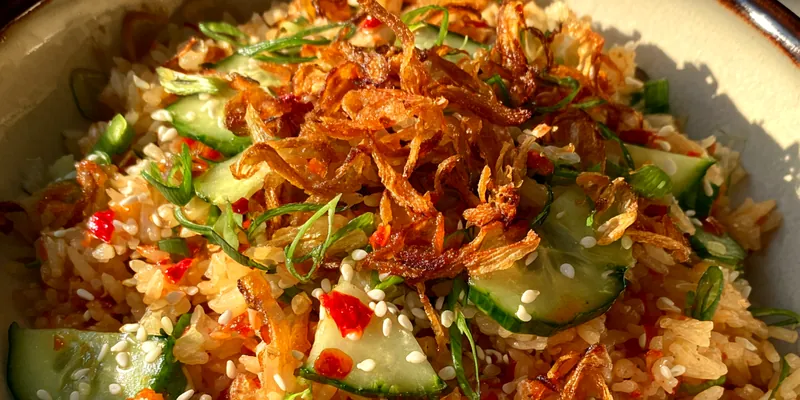
Why This Flavorful Gochujang Rice Salad Recipe Works
This recipe stands out because it combines a variety of fresh vegetables with a robust gochujang dressing, creating a delightful balance of flavors. Each ingredient is carefully selected for its taste and nutritional benefits, ensuring that every bite is both delicious and satisfying. The bright colors and textures make it visually appealing, adding to its overall enjoyment.
The technique used in this salad is straightforward yet effective. By allowing the rice to cool before mixing, it helps preserve the crispness of the vegetables. The dressing is the star here, as it coats the ingredients without overpowering them, offering just the right amount of heat and sweetness.
💡 Professional Tip
For the best results, make sure to use freshly cooked rice that has cooled down slightly. This ensures that the rice remains fluffy and doesn’t clump together. Also, feel free to adjust the amount of gochujang based on your spice preference—start with less and add more if you like it spicier.
Frequently Asked Questions
Yes, you can prepare this salad a few hours in advance. Just keep it covered in the refrigerator to maintain freshness. However, if you plan to store it overnight, it's best to add the dressing just before serving to prevent the vegetables from becoming soggy.
If you don't have gochujang, you can use a mix of miso paste and chili paste for a similar flavor profile. Alternatively, a combination of sriracha and soy sauce can provide some heat and umami as well. Adjust the quantities to suit your taste preferences.
This salad is considered done when all ingredients are well mixed and the dressing has evenly coated the vegetables and rice. The vibrant colors should be visible, and the texture of the vegetables should remain crisp. Taste it to ensure you’re happy with the flavor balance.
It's not recommended to freeze this salad, as the texture of the vegetables will suffer when thawed. However, you can store leftovers in the refrigerator for up to 3 days. Just keep the dressing separate if you plan on storing it longer.
This salad pairs beautifully with grilled chicken or tofu for added protein. You can also enjoy it alongside Asian-inspired dishes like dumplings or spring rolls for a complete meal. It's versatile enough to stand alone as a light lunch or as a side dish.
In the fridge, this salad can last for about 3 days if stored in an airtight container. However, note that the veggies may lose some of their crispness over time. For the best experience, try to consume it within the first couple of days.
Absolutely! This salad is perfect for meal prep. Just prepare all the ingredients, combine them, and keep them in the refrigerator. It’s best to add the dressing right before serving to keep the vegetables crisp.
If you prefer warm rice salad, you can gently reheat the rice in the microwave and add it to the salad mixture. However, reheating is not necessary, as this salad is delicious served cold or at room temperature.
Recipe Troubleshooting Guide
Too Dry
Problem: The salad may taste dry or lacking in flavor.
Solution: Add more dressing to the salad, or drizzle a bit of sesame oil or lime juice to enhance moisture and flavor.
Not Crispy Enough
Problem: The vegetables may have become limp.
Solution: Ensure to serve the salad immediately after mixing or keep the vegetables chilled until ready to combine with the rice to maintain their crunch.
Overcooked
Problem: The rice might be mushy.
Prevention: To prevent overcooking, keep an eye on the rice while it cooks and follow package instructions carefully. Rinse the rice before cooking to remove excess starch.
Undercooked Center
Problem: The rice could be unevenly cooked.
Recovery: If this happens, return the rice to the heat with a little water to steam it until fully cooked. Fluff and check the texture afterward.
Burnt Exterior
Problem: If using a rice cooker, the rice may burn at the bottom.
Prevention: Make sure to use the correct water-to-rice ratio and avoid overcrowding the cooker to ensure even cooking.
Flavor Balance
Too Sweet: If the salad is too sweet, add a splash of vinegar or lime juice to balance it out.
Too Salty: If it's too salty, add more unsalted rice or vegetables to dilute the flavor.
Bland: If the salad is bland, increase the amount of gochujang or soy sauce in the dressing.
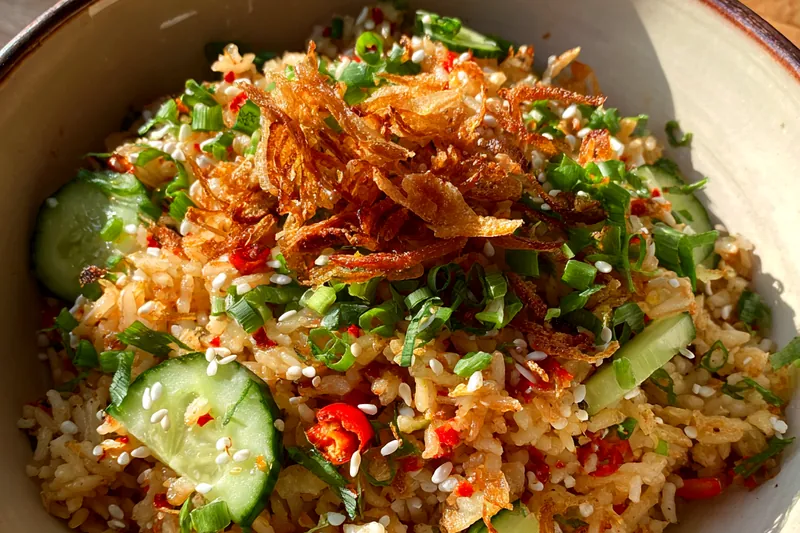
Essential Ingredients for Flavorful Gochujang Rice Salad
Key ingredients in this salad include rice, a variety of fresh vegetables, and a spicy-sweet dressing made with gochujang. The combination of these elements creates a dish that is both filling and refreshing. Each component plays a crucial role in achieving the salad's overall flavor profile.
When selecting your ingredients, opt for the freshest vegetables available. Crisp cucumbers, vibrant bell peppers, and sweet corn add not only flavor but also texture to your salad. Quality gochujang is essential to ensure a robust taste, so choose a brand you love.
Essential Ingredient Notes
- Rice: Use short-grain rice for a sticky texture that holds together well in the salad. Make sure to rinse it before cooking to remove excess starch for better fluffiness.
- Gochujang: Gochujang is a Korean red chili paste that adds a unique depth of flavor with its spiciness and sweetness. Store it in the refrigerator for longer shelf life and use it in various dishes.
- Cilantro: Fresh cilantro brings a bright flavor that elevates the salad. Be sure to chop it just before serving to keep its flavor vibrant and fresh.
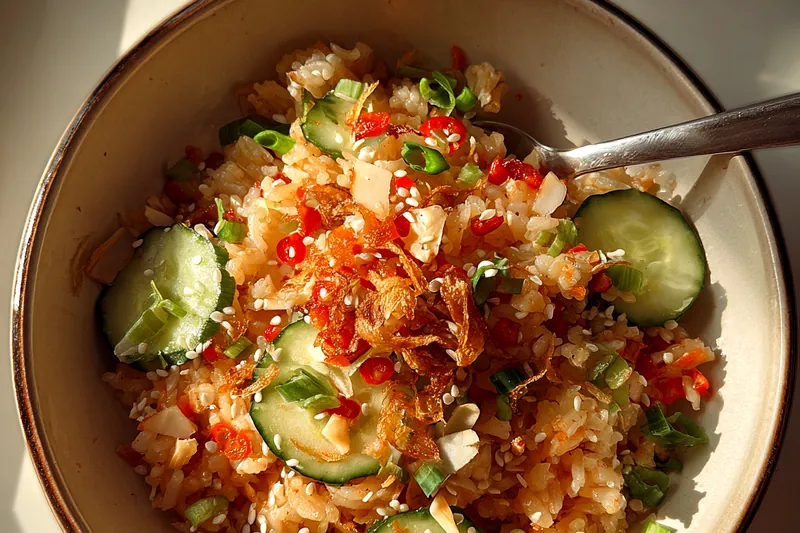
Step-by-Step Cooking Process
Creating this salad involves preparing each ingredient with care. Start by cooking the rice properly and allowing it to cool. While the rice cooks, chop and prepare the vegetables to ensure maximum freshness and crunch.
After combining the ingredients, the key is in the dressing. Whisk it thoroughly and adjust to taste for the perfect balance of flavors. The result should be a colorful, tasty, and nutritious salad ready to impress.
Key Technique for Perfect Flavorful Gochujang Rice Salad
The most important technique for this salad is to ensure the rice is cooked correctly and cooled. This will prevent it from becoming mushy and allow the flavors from the dressing to absorb without overwhelming the fresh vegetables.
Flavorful Gochujang Rice Salad
📋 Ingredients
Main Ingredients
- 1/4 cup gochujangFor a spicy kick
- 2 tablespoons soy sauceFor flavor
- 2 tablespoons sesame oilFor richness
- 1 tablespoon rice vinegarFor acidity
- 1 tablespoon honeyTo balance flavors
- 1 tablespoon lime juiceFor freshness
For the Sauce
- 2 cups cooked riceUse short-grain for best texture
- 1 cup cornFrozen or fresh, cooked
- 1 red bell pepperDiced
- 1 cucumberDiced
- 1 cup edamameCooked
- 1/4 cup green onionsSliced
- 1/2 cup shredded carrotsFor color and crunch
- 1/4 cup cilantroChopped
Instructions
Cook the Rice
Rinse the rice under cold water until the water runs clear. Cook according to package instructions.
Prepare the Vegetables
Dice the red bell pepper and cucumber, shred the carrots, and slice the green onions.
Cook the Edamame
If using frozen edamame, cook according to package instructions and set aside.
Make the Dressing
In a bowl, whisk together gochujang, soy sauce, sesame oil, rice vinegar, honey, and lime juice until combined.
Combine Ingredients
In a large bowl, combine cooked rice, corn, diced red bell pepper, cucumber, edamame, green onions, shredded carrots, and cilantro.
Add Dressing
Pour the dressing over the salad mixture and toss until everything is well coated.
Season
Taste and adjust seasoning with salt and pepper as desired.
Serve
Enjoy the salad immediately or chill in the refrigerator for 30 minutes before serving.
Recipe Notes & Tips
Storage Tips
Store any leftovers in an airtight container in the refrigerator. It can last for up to three days. However, for optimal freshness, it’s best to eat within the first couple of days.
Serving Suggestions
Serve this salad on its own or as a side dish to grilled meats or tofu. It also pairs wonderfully with a light Asian-inspired vinaigrette for an extra flavor boost.
Recipe Variations
Feel free to customize this salad by adding your favorite proteins like grilled shrimp or chickpeas. You can also switch up the vegetables based on what's in season or what you have on hand.