Creamy Cheesy Chicken Delight
Creamy Cheesy Chicken Delight is a creamy and cheesy dish that brings comfort to your dinner table. With tender chicken pieces enveloped in a rich sauce, it's perfect for family gatherings or a cozy evening in. This dish is not only delicious but also easy to prepare, making it a go-to recipe for busy weeknights. Experience the ultimate in comfort food with this delightful recipe.

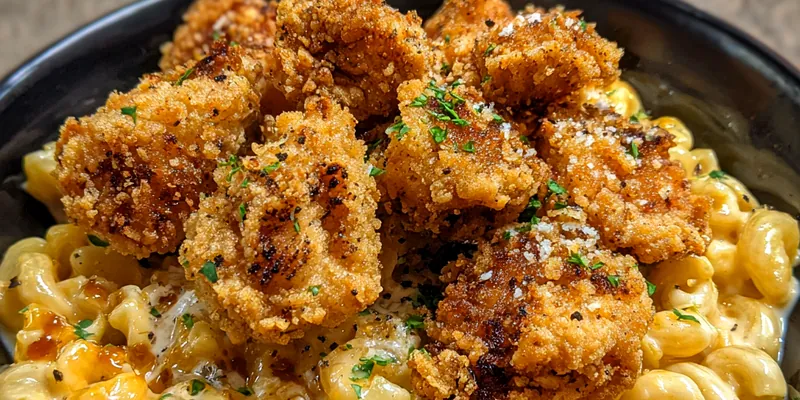
Why This Creamy Cheesy Chicken Delight Recipe Works
Creamy Cheesy Chicken Delight combines rich flavors with a creamy texture that is irresistible. The use of high-quality ingredients enhances the overall dish, ensuring a satisfying experience with every bite. The method of cooking the chicken to a golden brown before adding the creamy sauce creates a depth of flavor that is unmatched. This recipe is not only delicious but also straightforward, making it accessible for home cooks of all levels.
The flavor profile is a harmonious blend of savory cheese and tender chicken, creating a comforting meal. The cooking method allows for the chicken to remain juicy while the sauce adds a rich coating that binds the ingredients together. Whether served over rice or pasta, this dish is designed to please the palate and warm the heart.
💡 Professional Tip
For a thicker sauce, allow the cream to simmer a bit longer before adding the cheese. Make sure to stir continuously to prevent sticking.
Frequently Asked Questions
Yes, you can prepare the chicken and sauce separately and store them in the refrigerator for up to 2 days. Reheat gently on the stove before serving, adding a splash of cream if the sauce thickens too much.
You can use half-and-half or whole milk for a lighter option. However, keep in mind that the sauce may be less rich and creamy than intended.
The best method is to pan-sear the chicken first to achieve a nice golden crust, enhancing the flavor. This is followed by simmering in a creamy sauce, which keeps the chicken juicy and flavorful.
To prevent curdling, make sure to use low heat when adding the cheese to the cream. Stir constantly and avoid boiling the sauce once the cheese is added.
The dish is done when the chicken is cooked through and the sauce is thickened but still pourable. You can check the chicken's doneness by ensuring it reaches an internal temperature of 165°F (74°C).
This dish pairs well with steamed rice or pasta to soak up the creamy sauce. You can also serve it with a fresh green salad for a balanced meal.
Absolutely! You can add red pepper flakes or diced jalapeños to the sauce for an extra kick. Adjust the amount according to your spice preference.
Store leftovers in an airtight container in the refrigerator for up to 3 days. To reheat, warm gently in a skillet over low heat, adding a little cream to restore the sauce's consistency.
Recipe Troubleshooting Guide
Sauce is Too Thin
Problem: If your sauce is too thin, it may not have simmered long enough.
Solution: Allow the sauce to simmer longer, stirring occasionally until it thickens to your desired consistency. You can also add a slurry of cornstarch and water to help thicken it quickly.
Chicken is Overcooked
Problem: Overcooked chicken can become dry and tough.
Solution: To avoid this, use a meat thermometer to check for doneness at 165°F. Remove the chicken as soon as it reaches the safe temperature and let it rest before cutting.
Cheese Won't Melt Smoothly
Problem: Sometimes cheese can clump instead of melting smoothly.
Prevention: Make sure to grate the cheese finely and add it gradually to the warm sauce, stirring constantly to help it melt evenly.
Too Much Salt
Problem: If the dish ends up too salty, it can overpower the flavors.
Recovery: To balance the saltiness, add a little sugar or extra cream to counteract the flavor. You can also dilute the sauce with more cream or chicken broth.
Bland Flavor
Problem: If the dish lacks flavor, it may not have enough seasoning.
Prevention: Enhance the flavor by adding more herbs and spices. A splash of lemon juice can also brighten the dish.
Flavor Balance Issues
Too Sweet: If the dish is too sweet, try adding a splash of vinegar or lemon juice to balance it out.
Too Salty: If it's too salty, consider adding a bit of sugar or more cream to mellow the flavors.
Bland: To enhance bland flavors, add more seasonings or a splash of hot sauce for an extra kick.
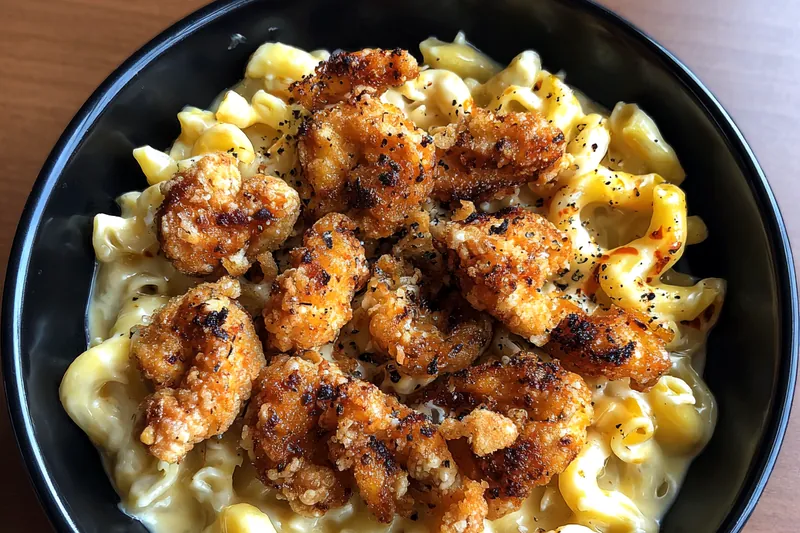
Choosing the Best Ingredients for Creamy Cheesy Chicken Delight
Selecting the right ingredients is key to achieving the best flavors in Creamy Cheesy Chicken Delight. Opt for fresh chicken breasts with no added hormones for optimal taste and texture. Choose high-quality cheese, preferably sharp cheddar, to enhance the creaminess and flavor profile. Using fresh herbs and spices can elevate the dish, bringing out the richness of the creamy sauce.
Preparation of ingredients is just as important as their selection. Ensure chicken is patted dry before cooking to achieve a good sear. Grate cheese finely to ensure it melts smoothly into the sauce. Finally, having all ingredients prepped and ready will streamline the cooking process and prevent any last-minute scrambling.
Essential Ingredient Notes
- Chicken Breast: The chicken breast is the star ingredient, so choose boneless, skinless pieces for easy cooking. Fresh chicken will yield the best flavor and texture, making the dish more enjoyable.
- Cheddar Cheese: Sharp cheddar cheese is recommended for its robust flavor that complements the creamy sauce. Grating the cheese yourself will yield a smoother melt compared to pre-shredded varieties.
- Heavy Cream: Heavy cream is essential for creating a luscious, thick sauce. It adds richness and depth, making the dish indulgent and satisfying.
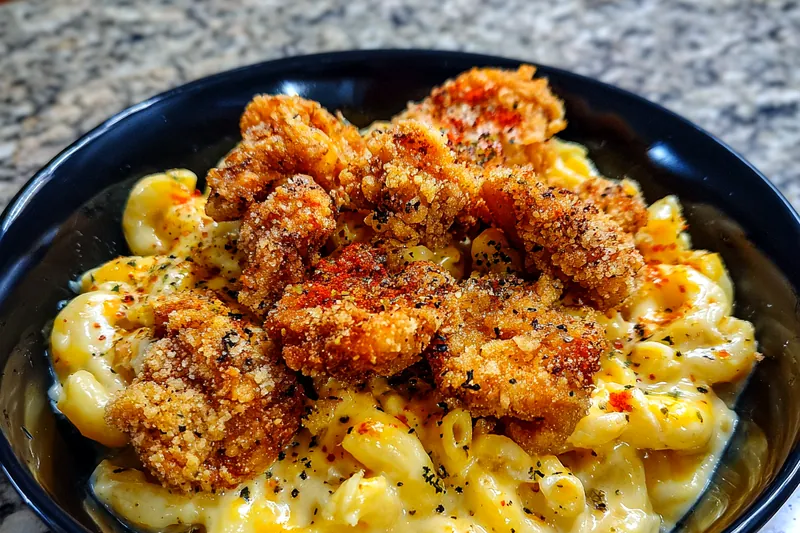
Mastering the Cooking Technique
Cooking Creamy Cheesy Chicken Delight requires attention to detail to achieve the perfect balance of flavors and texture. Start by ensuring the pan is adequately heated before adding the chicken, which helps in achieving a beautiful golden crust. As the chicken cooks, it releases juices that will form the base for the creamy sauce, adding depth to the final dish.
Timing is crucial during the cooking process. After searing the chicken, allow it to rest briefly before adding it back to the sauce. This resting period will ensure that the juices redistribute, keeping the chicken tender and flavorful. Visual cues such as a golden color on the chicken and bubbling sauce will indicate that the dish is nearing completion.
The Secret to Perfect Creamy Cheesy Chicken Delight
The key to a perfect Creamy Cheesy Chicken Delight lies in the cooking technique. Searing the chicken properly not only enhances its flavor but also contributes to a rich sauce. Additionally, ensuring the cheese melts smoothly into the cream without boiling will guarantee a velvety texture that elevates the dish.
Creamy Cheesy Chicken Delight
📋 Ingredients
{{ingredient_category_1}}
-
{{sauce_ingredients}}
{{ingredient_category_2}}
-
{{main_ingredients}}
Instructions
-
{{instructions_list}}
Recipe Notes & Tips
{{note_1_title}}
{{note_1_content}}
{{note_2_title}}
{{note_2_content}}
{{note_3_title}}
{{note_3_content}}